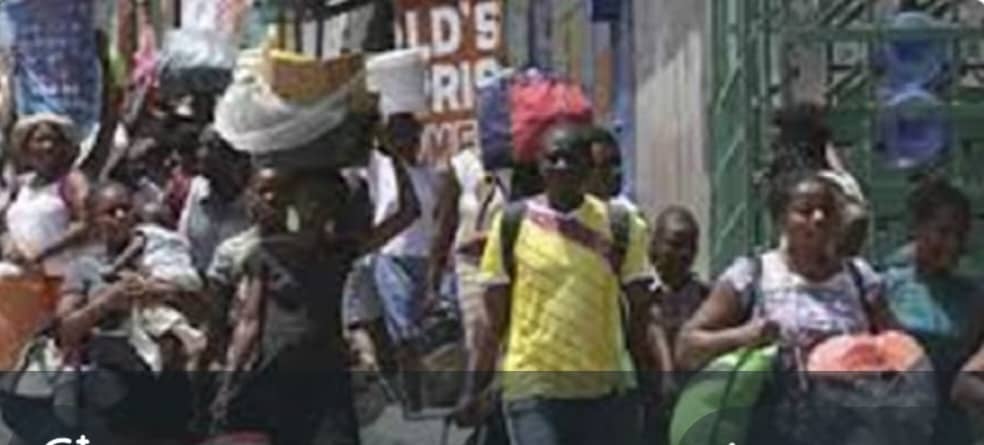


As gang violence continues to intensify north of the capital, Port-au-Prince, the humanitarian and economic situation has reached a breaking point. This Monday, May 11, Médecins Sans Frontières (MSF) announced the forced evacuation of its Cité Soleil hospital and the temporary suspension of its activities. At the same time, a coalition of major Haitian companies is once again denouncing the glaring inadequacy of repair work on the strategic roads leading to Toussaint Louverture International Airport, while the CEO of Rhum Barbancourt issues a solemn appeal to the state.
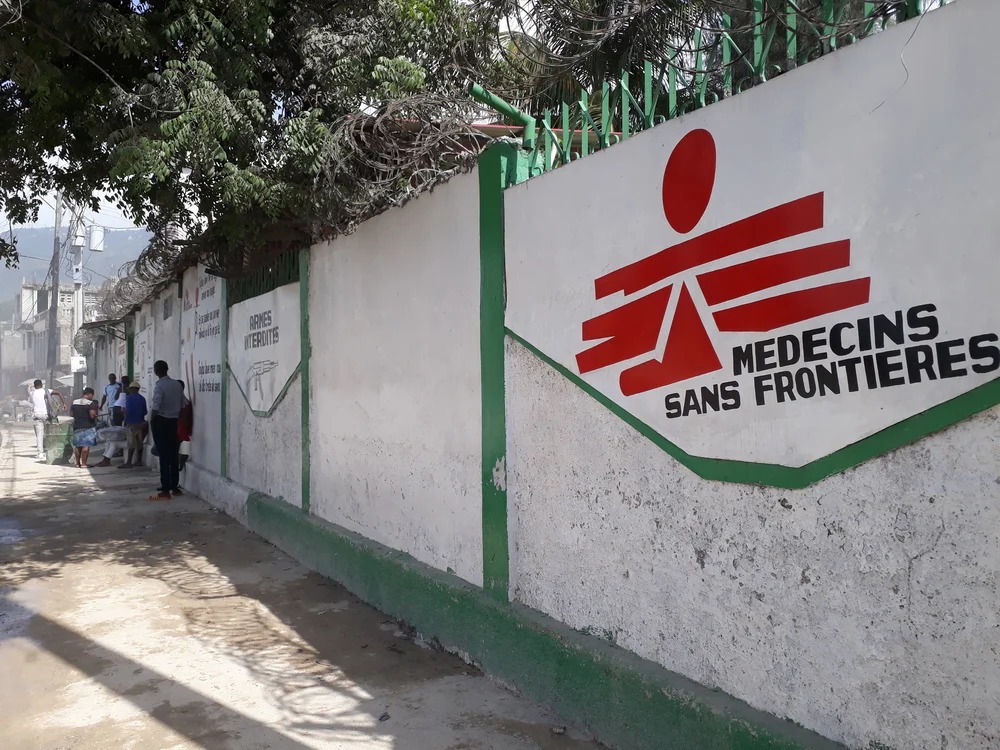
For more than 24 hours, the commune of Cité Soleil in Port-au-Prince has been the scene of heavy clashes between rival armed groups. The MSF hospital, located in the heart of this highly sensitive area, found itself caught in the crossfire.
“In just 12 hours, our teams treated more than 40 people with gunshot wounds. One of our guards was also hit by a stray bullet, inside the hospital grounds itself,” said Davina Hayles, MSF’s head of mission in Haiti.
The facility also sheltered more than 800 people seeking safety, including MSF staff members and their families. The teams even treated patients transferred from Fontaine Hospital, including pregnant women who gave birth overnight from Sunday to Monday.

Faced with unprecedented violence, the organization made the difficult decision to evacuate its staff and suspend its medical activities. “A hospital whose staff is not safe cannot function,” Davina Hayles stressed, noting that the suspension remains temporary, even though medical needs are exponential.
MSF, which has been working in Haiti for 35 years, recalls that last year it provided more than 129,000 medical consultations and treated nearly 5,000 survivors of sexual violence. The organization calls on all parties to the conflict to respect the safety of healthcare workers and civilians.
Airport roads: businesses speak out
In a press release issued the day before, on Sunday, May 10, 2026, four of the country’s largest companies — Rhum Barbancourt S.A., Comme Il Faut S.A., Brasserie de la Couronne S.A., and Séjourné S.A. — once again sounded the alarm over the critical condition of the roads surrounding Toussaint Louverture International Airport.
The signatories recall that they had already issued a public alert more than a week ago, followed by a formal request for a meeting with the authorities. Yet, according to them, the response so far remains “very largely insufficient.”

“Small-scale work has indeed begun at the Rita intersection, but nothing significant has yet been undertaken on RN1,” the statement laments.
The companies point to the absence of an overall timeline, any working meeting with the signatories, or a complete intervention plan. Yet the facts are alarming: severely degraded roads, restricted movement of public forces on strategic axes, direct exposure of businesses, employees, and residents, and the suspension of essential services.
“You cannot secure an airport by allowing the roads that provide access and bypass routes to deteriorate,” they insist.
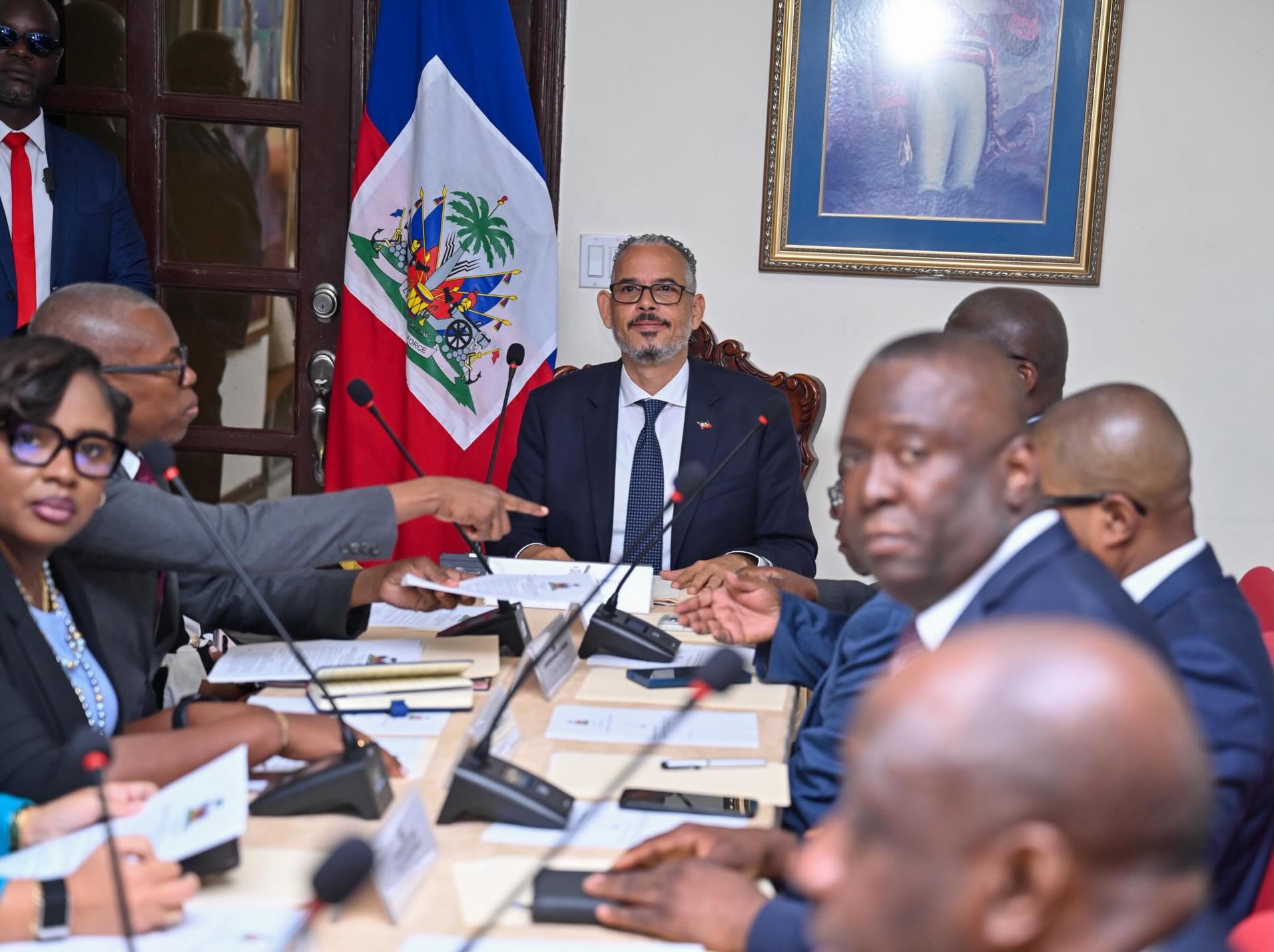
The companies, which rank among the country’s leading taxpayers and employ thousands of people, reiterate their demand for an immediate meeting with the relevant ministers and the Director General of Public Works.
On her X account (formerly Twitter), Delphine Gardère, President-Director General of Rhum Barbancourt, expressed her anger and dismay at the resurgence of fighting.
“Fighting resumed in Sarthe this morning (editor’s note: Sunday, May 10). Once again, families are living under the threat of weapons, while waiting and abandonment continue,” she wrote.
Ms. Gardère issued a solemn appeal to the authorities: “It is time for the state to fully assume its responsibilities and intervene firmly to protect the population, restore order, and allow our companies to continue operating in dignified and secure conditions.”
The combination of these two crises — humanitarian on one side, economic and logistical on the other — plunges Haiti into an untenable situation. On one hand, thousands of civilians find themselves without access to healthcare in one of the capital’s most impoverished areas. On the other, strategic companies see their operations threatened by road insecurity, jeopardizing jobs and tax revenues.