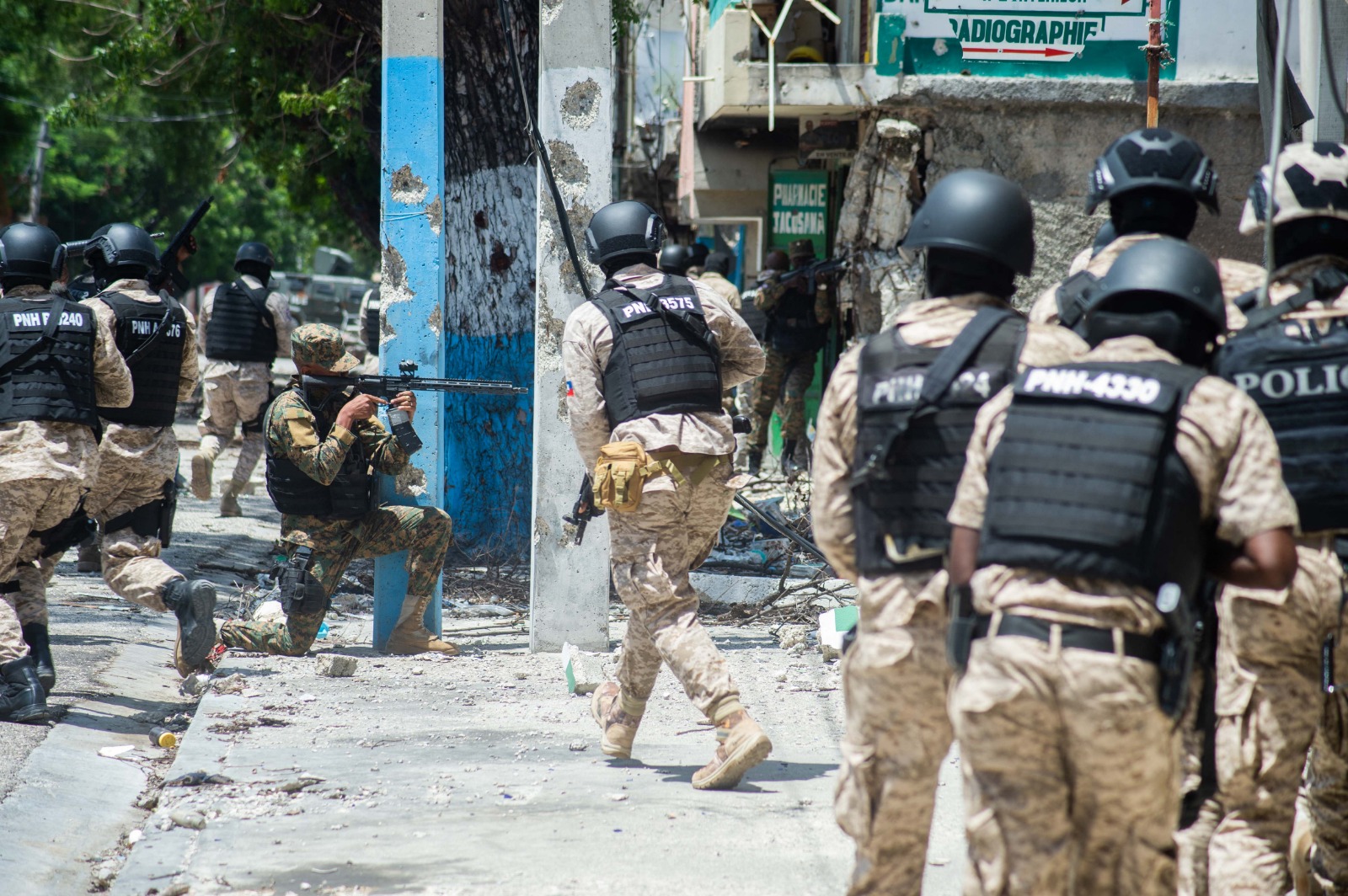


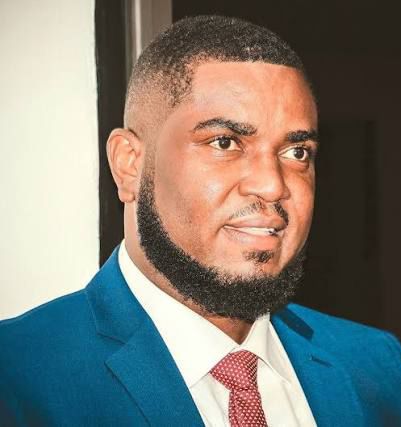
An unprecedented crackdown has shaken the Department of Immigration and Emigration (DIE). On Monday, March 23, 2026, its director, Antoine Jean Simon Fénélon, and nine other senior officials were arrested. The arrests took place during a joint operation by units of the Central Directorate of Judicial Police (DCPJ). Placed in custody, they are suspected of being part of a vast network that fraudulently issued Haitian passports to foreign nationals.
This forceful intervention, requested by the Port-au-Prince public prosecutor’s office—responsible for overseeing criminal investigations in the capital region—marks an escalation in the fight against administrative corruption, following months of discreet investigation initiated by the Ministry of the Interior, the government ministry charged with overseeing national institutions like DIE.
The case, whose details are just beginning to emerge, originated from an alert issued by the Ministry of the Interior. According to a source close to the case cited by the newspaper Le Nouvelliste, the ministry, suspecting serious dysfunctions within the DIE, decided not to settle for simple internal checks. Instead, it opted for an infiltration strategy worthy of a crime novel.
An unidentified individual was commissioned and funded by the authorities to carry out a real-world test. Their mission: to visit the DIE and attempt to obtain a Haitian passport using only their photo—no identification or supporting documents. This irregular request was designed to test the system’s integrity and, above all, to detect complicit agents willing to bypass procedures.
The scheme worked: the passport was issued, convincing prosecutors that organized trafficking existed and prompting the judicial operation.
According to Me Jean Fritz Patterson Dorval, the government commissioner (chief prosecutor) at the Port-au-Prince Court of First Instance, the investigation seeks to determine the level of involvement of the arrested DIE executives in an alleged network issuing “authentic-fake” passports—official documents printed in the registries but based on falsified files.
Initial accounting and technical checks confirm the scale of the scheme. Investigators discovered that the tax identification numbers (NIF) associated with several of these passports do not match the actual applicants. This inconsistency reinforces suspicions of a parallel system in which external accomplices may have introduced fictitious applications or even sold Haitian nationality to foreigners. A source close to the investigation also mentions the issuance of passports to foreign nationals, a trafficking operation with potentially international ramifications.
The operation, which took on the appearance of a raid, was carried out by several DCPJ intervention units. In a statement released Monday evening, the Haitian National Police (PNH) detailed the sequence of events. “Intervention units of the Central Directorate of Judicial Police (DCPJ)—the Research and Intervention Brigade (BRI), the Anti-Vehicle Theft Brigade (BLVV), and the Criminal Affairs Bureau (BAC)—conducted a joint operation at the Directorate of Immigration and Emigration (DIE) on March 23, 2026. Following a requisition from the Port-au-Prince prosecutor’s office, they entered the DIE to carry out targeted arrests.”
The statement says suspects were taken to the Port-au-Prince Prosecutor’s Office for a first hearing. Afterward, they were handed over to the DCPJ, which is now responsible for further investigating the case and establishing the facts.
During the raid, a justice of the peace sealed the passport production office, halting part of the institution’s work during the investigation.
The arrest of Director Antoine Jean Simon Fénélon is a major event in Haitian administration. It comes at a time when identity document management is vital for national stability and security.
It remains to be seen whether the DCPJ’s investigation will identify masterminds or external accomplices.

https://ctninfo.com/scandal-at-the-die-director-and-nine-executives-arrested-for-alleged-trafficking-of-authentic-fake-passports/
https://www.facebook.com/CaribbeanNewsMedia
https://ctninfo.com/scandal-at-the-die-director-and-nine-executives-arrested-for-alleged-trafficking-of-authentic-fake-passports/
https://www.facebook.com/CaribbeanNewsMedia