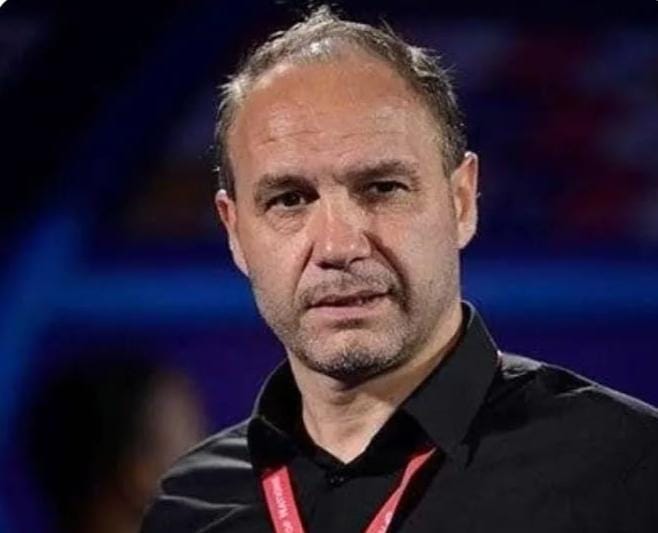


Port-au-Prince, Wednesday, July 15, 2026 – Former Haitian president Michel Joseph Martelly returned to Haiti this Wednesday, July 15, 2026, according to a report by the Miami Herald. His return comes at a critical juncture in the judicial inquiry into the assassination of President Jovenel Moïse, as Haitian authorities continue the supplementary investigation in this still highly sensitive case.
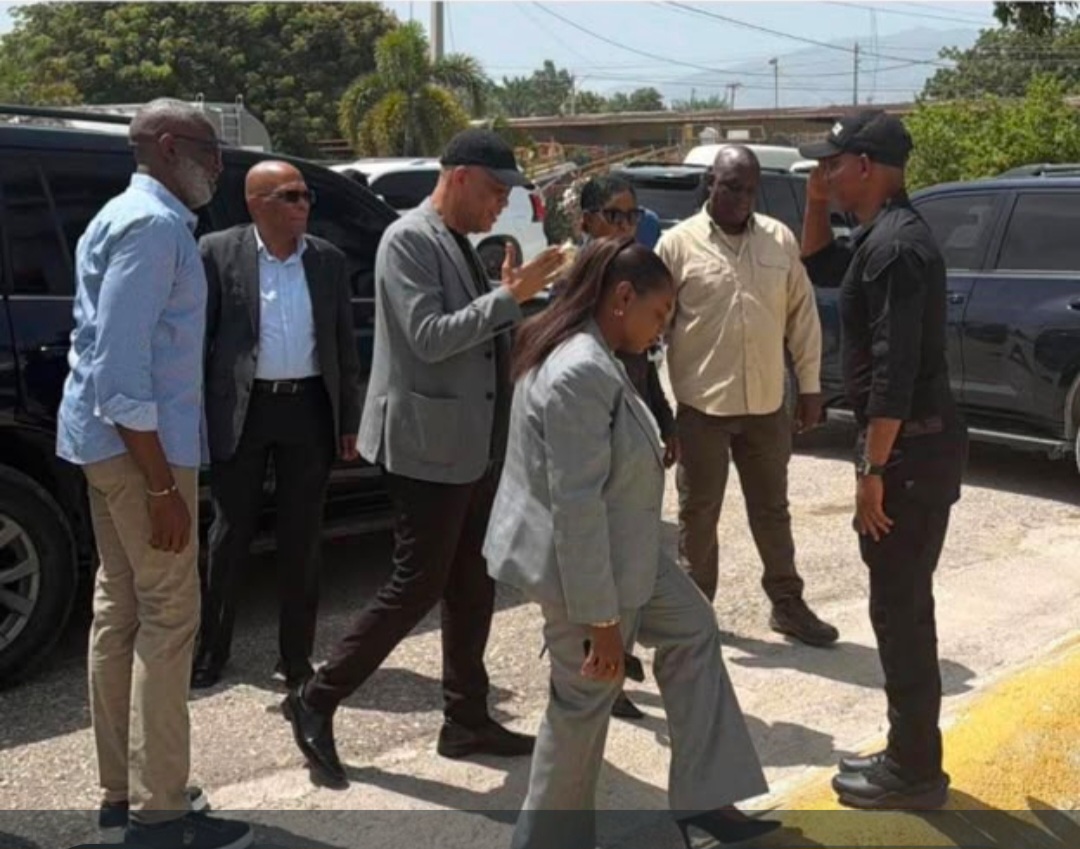
A resident of Miami since the end of his term, the former head of state arrived in Port-au-Prince aboard a Sunrise Airways flight from Cap-Haïtien. According to airport sources, the aircraft landed at Guy Malary International Airport around 10:45 a.m. local time. Shortly after his arrival, the former president was spotted in the airport’s diplomatic lounge, where he spent nearly an hour before departing. Several of his supporters, including motorcyclists displaying PHTK effigies, had gathered near the airport perimeter to welcome him, according to images and accounts shared on local social media.
This return to Haiti occurs in a particularly tense political and judicial climate. Michel Martelly is expected to appear before the Port-au-Prince Court of Appeal as part of the supplementary investigation into the assassination of President Jovenel Moïse, who was killed in his private residence in Pèlerin 5 on the night of July 6–7, 2021, by a commando squad composed largely of Colombian mercenaries. A summons had been issued for him to appear on June 18, but his hearing was postponed to a later date, unofficially due to logistical and security constraints. Martelly is among the many political figures and former officials called to testify in this case with international ramifications. To date, however, no charges have been brought against him in connection with this investigation, although his name has frequently surfaced during the testimonies of several key witnesses.
Well known to the public under his stage name “Sweet Micky,” Michel Martelly was born in Port-au-Prince in 1961. A true icon of Haitian music, he enjoyed a meteoric career in the “compas” genre before entering politics. Elected president in 2011, he led the country from May 14, 2011, to February 7, 2016, leaving behind a mixed legacy marked by infrastructure projects but also by growing criticism over public funds management and rising insecurity. At the end of his term, he chose businessman Jovenel Moïse as the candidate for the Haitian Tèt Kale Party (PHTK) to succeed him—a decision that would profoundly shape the country’s political trajectory.

Jovenel Moïse’s path to the presidency was nothing short of chaotic. An initial election held in 2015 was marred by widespread protests and allegations of fraud, ultimately leading to its annulment. A new presidential election was held in 2016, in which Moïse won outright in the first round with approximately 55.6% of the votes cast. He officially took office on February 7, 2017, inheriting a deeply divided country and a fragile economy. His term, marked by recurring political crises and accusations of authoritarian drift, was brutally cut short on the night of July 7, 2021, when a heavily armed commando stormed his private residence in Pèlerin 5. The head of state was fatally shot, while his wife, Martine Moïse, was seriously wounded in the attack.
Since the assassination, Haitian authorities, in coordination with international partners, have continued their investigations to establish full accountability in this exceptionally complex case, which involves numerous Haitian and foreign actors—ranging from former Colombian soldiers to Florida-based businessmen, as well as local political figures. The ongoing supplementary investigation aims to clarify the exact role of certain associates of the slain president, as well as that of his predecessors and opponents.
Alongside this domestic judicial process, Michel Martelly is also subject to increasingly severe international sanctions. The United States, Canada, and the European Union have imposed restrictive measures on him, including asset freezes and travel bans, due to allegations of corruption, suspected ties to armed gangs operating in Haiti, and involvement in international drug trafficking. On August 20, 2024, the U.S. State Department officially designated Michel Martelly for his alleged role in the illicit global drug trade. In a firm statement, Washington asserted that the former president had abused his influence to facilitate drug trafficking and supported several gangs operating in the Port-au-Prince metropolitan area, determining that these activities directly contributed to the worsening insecurity and chronic political instability afflicting the country.
This surprise return of Michel Martelly to Haiti, amid judicial turmoil and under the weight of international sanctions, raises numerous questions. Is this merely a judicial appearance, or rather a political maneuver aimed at reclaiming some measure of lost influence? One thing is certain: his presence on Haitian soil, against a backdrop of persistent security fragility and widespread distrust of the political class, is bound to reignite tensions and fuel speculation in the days ahead.
By Marie Farah Fortuné and Darbouze Figaro