

Port-au-Prince, Thursday, July 30, 2026 – Sexual and gender-based violence (GBV) is reaching alarming levels in Haiti, turning the daily lives of women and girls into a veritable obstacle course. According to the latest data published by the United Nations Office for the Coordination of Humanitarian Affairs (OCHA), more than 5,500 cases were officially recorded during the first six months of 2026. This figure, while already dizzying, reflects only part of the reality, as many victims—paralyzed by fear of reprisals or stigmatization—still refrain from reporting the atrocities they endure.
The escalation of violence is particularly striking during the second quarter. “The months of April to June alone accounted for more than 3,000 cases, including over 1,000 in the month of June alone,” Farhan Haq, Deputy Spokesperson for the UN Secretary-General, said Wednesday during a press briefing in New York. This brutal acceleration illustrates the rapid deterioration of the security environment, where women have become prime targets in a conflict that overwhelms them.
The origin of this violence is now clearly identified: nearly 70% of reported cases involve rape, including a worrying proportion of gang rapes. These barbaric acts are very often attributed to armed groups operating in the capital and surrounding regions, using rape as a weapon of war and terror to assert their control over civilian populations. Testimonies collected by humanitarian organizations describe scenes of rare cruelty, perpetrated in broad daylight or during nighttime attacks on entire neighborhoods.
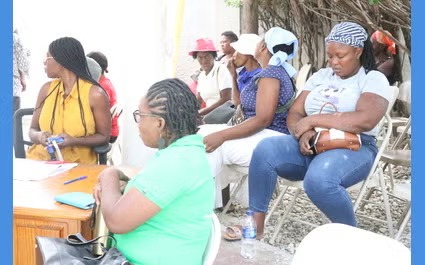
Internally displaced persons (IDPs) are the primary victims of this surge. More than half of the survivors recorded are women and girls who have already lost everything: their homes, their belongings, and often their loved ones. Forced to flee the fighting, they find themselves crammed into makeshift camps or unsanitary public buildings, where privacy is nonexistent and protection is virtually nil. Away from prying eyes, the overcrowding and lack of nighttime lighting make these sites breeding grounds for assaults.

In the face of this carnage, the United Nations and their local partners are attempting to mount a response commensurate with the tragedy. Some survivors can receive emergency medical care, including post-exposure HIV prophylaxis and emergency contraception, as well as psychosocial support provided by mobile teams. “Safe spaces” have been opened in several areas to offer women and girls a haven of peace where they can confide, rebuild themselves, and receive legal counsel. Yet these measures remain insufficient given the constant influx of new victims, and the resources allocated are paltry compared to the immense needs.
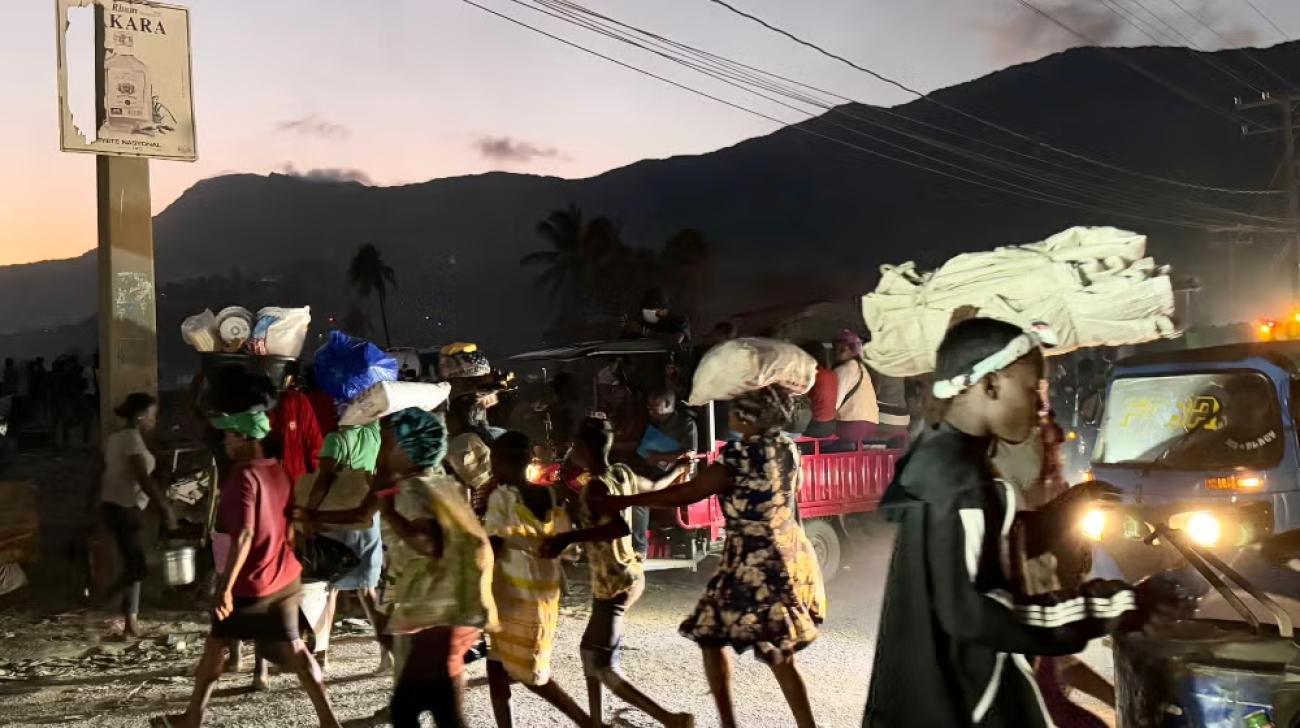
Alongside this crisis of sexual violence, the overall humanitarian situation continues to deteriorate. Nearly 1.5 million people are currently displaced within the country, according to data cited by the United Nations—a dramatic increase compared to the previous year. Adding to this internal tragedy is the forced return of more than 140,000 Haitians between January and June 2026, according to the International Organization for Migration (IOM). Mostly expelled from neighboring countries or the United States, many arrive without identity papers, without financial resources, and without a place to go, which increases their vulnerability to criminal networks and sexual predators.
Humanitarian agencies are continuing their efforts despite an extremely precarious operational context. The assistance provided includes access to protection services, help in obtaining civil status documents—essential for claiming one’s rights—and the dissemination of vital information on women’s rights and available services. “Despite extremely difficult operational conditions, marked by insecurity and roadblocks, we continue to provide essential protection services with our partners,” Farhan Haq emphasized.
However, persistent insecurity, restricted access to many gang-controlled areas, and chronic funding shortfalls considerably limit humanitarian action. Many emergency appeals remain underfunded, forcing organizations to make heartbreaking choices. As gender-based violence escalates at a staggering pace, the United Nations is issuing renewed urgent warnings about the pressing need to strengthen protection mechanisms, unlock additional funding, and place the dignity of survivors at the heart of international priorities.
By Marie Farah Fortuné and Darbouze Figaro

Photo credit: © HCR/Juan Pablo Terminello