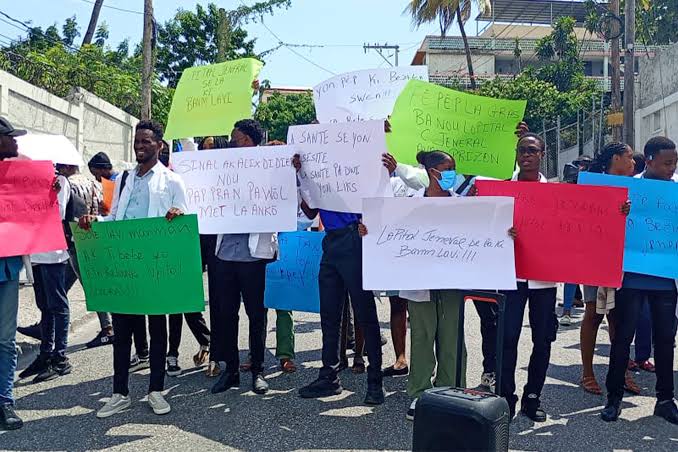
As the country has been without elections for a decade, the adoption of the electoral decree by the Council of Ministers marks a crucial step, but still raises questions about the independence of the process.
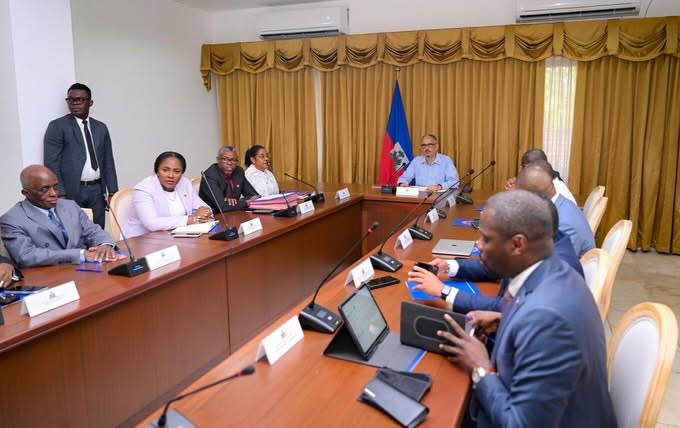
After several weeks of tense negotiations, the Haitian government and the Provisional Electoral Council (CEP) reached an agreement on the electoral decree. Adopted on Thursday by the Council of Ministers, the text has been sent to the National Press for publication in Le Moniteur, as confirmed by a government member to Le Nouvelliste. This adoption, although hailed as a step forward, comes amid a climate of mistrust and compromise that could redefine the balance of power for the upcoming elections.
One of the main points of contention concerned the verification of lists of 30,000 members that political parties must provide to be eligible to present candidates. Article 133 of the government’s initial draft entrusted this task to the Ministry of Justice and Public Security (MJSP) through the National Identification Office (ONI), which the CEP considered an interference with its prerogatives.
Following the negotiations, the electoral advisers prevailed on this issue. According to a CEP source, the electoral institution itself will now be responsible for verifying the authenticity of these lists. This concession by the government, reported by Le Nouvelliste, is seen as a victory for the CEP, strengthening its central role in the electoral process.

The appointment of the CEP’s Director-General was another major point of contention. While the CEP initially strongly opposed the principle of appointment by the Prime Minister’s Office, the appointed Director-General remains in position under the new version of the decree.
However, to ease tensions, his responsibilities were changed. According to the CEP source, the “points of contention” concerning the General Director’s functions have been resolved, although the precise details of these adjustments have not been disclosed. This situation illustrates the ongoing tension between the CEP’s desire for independence and the executive’s efforts to maintain control over the electoral machinery.
This adoption comes amid relations between the government and the CEP that have been marked by friction. Tensions have particularly centered on the electoral budget and the appointment of the Director-General, which many civil society actors consider an “attack on the independence” of the CEP.
Furthermore, adopting the decree is only a first step. The country still faces major security challenges. The growing influence of gangs, which control a significant portion of the territory, could jeopardize the holding of a credible election. The government claims to be redoubling efforts to ensure a conducive security climate, but the situation remains critical, with some areas still under the grip of gangs.
Next steps: budget and electoral calendar

Alongside the adoption of the decree, discussions on the electoral budget continue. Technicians from the Ministry of Economy and Finance and the CEP are in advanced negotiations, and a budget should be finalized by next week, a CEP adviser announced.
Attention now turns to the publication of the text in Le Moniteur, which the CEP is awaiting to ensure that the adopted version matches the agreements reached. Once this step is completed, the electoral institution will be able to publish the electoral calendar and begin the concrete preparations for the elections.
https://ctninfo.com/haiti-electoral-…vernment-and-cep/
https://www.facebook.com/CaribbeanNewsMedia