

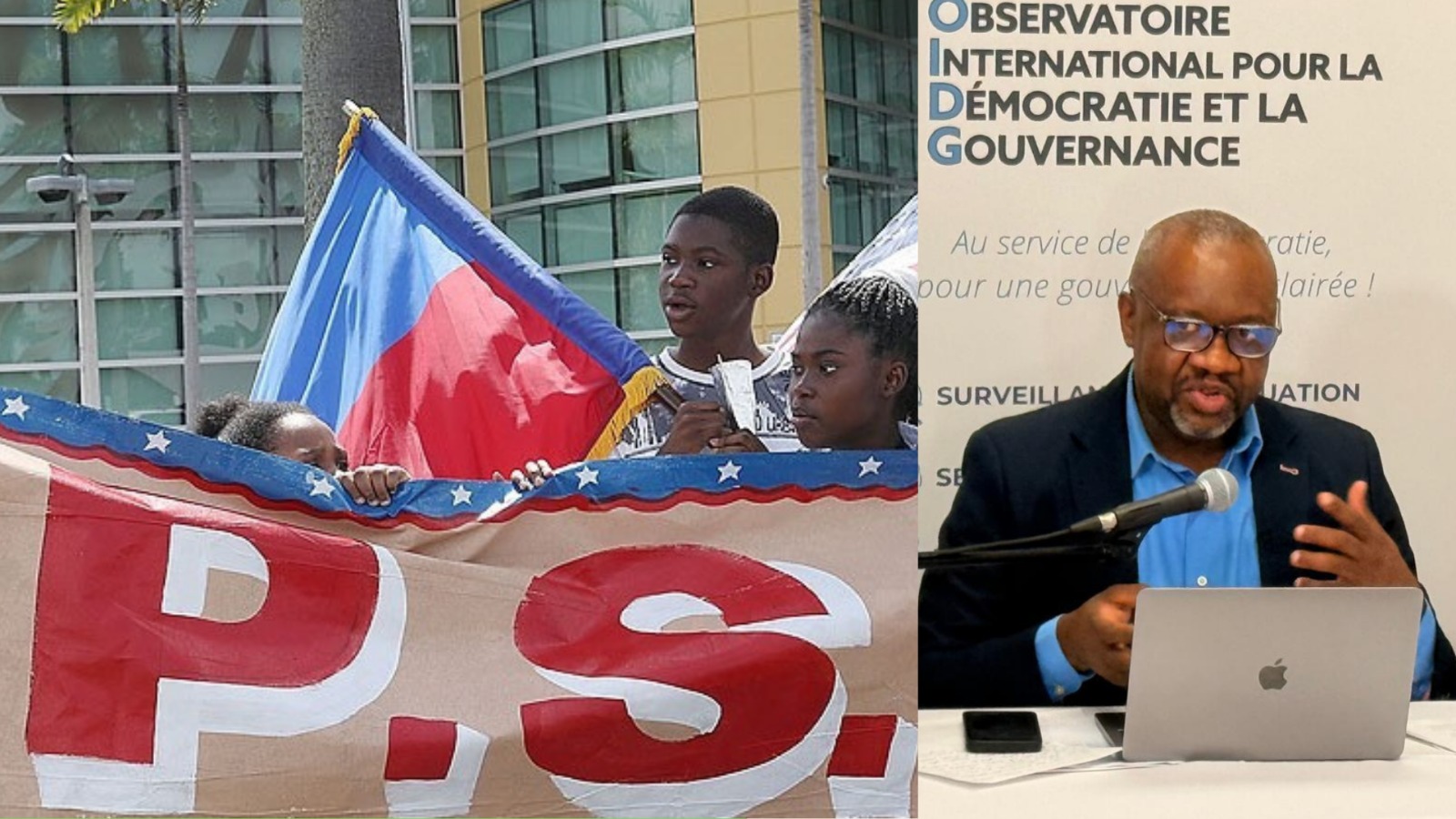
The International Observatory for Democracy and Governance (OIDG) has taken note of the decision by the United States Supreme Court to end Temporary Protected Status (TPS) for Haiti, a measure that directly affects approximately 350,000 Haitian nationals living on American soil. This decision, which could be implemented imminently, raises crucial questions about Haiti’s capacity to welcome its compatriots with dignity and to transform this humanitarian crisis into a lever for national development.
The Supreme Court’s decision comes amid a particularly tense legal context. The TPS program, created by the U.S. Congress in 1990, authorizes the Department of Homeland Security to designate nationals of eligible countries to remain and work in the United States when they cannot safely return to their home countries due to natural disasters, armed conflicts, or other “extraordinary and temporary” conditions.
Haiti was initially designated under this program in 2010, following the devastating earthquake that killed more than 300,000 people. This designation was renewed several times until 2025, when the Trump administration announced its intention to terminate it, arguing that there were no longer extraordinary and temporary conditions preventing Haitians from safely returning to their country.
In response to this situation, the President of the OIDG, Dr. Ambroise Guillaume, urges the interim government of Prime Minister Alix Didier Fils-Aimé to take all necessary measures to welcome a significant number of Haitian compatriots who may soon be forced to return to the country. The organization emphasizes that this also represents an opportunity for Haiti to benefit from the expertise, skills, and experience these Haitians have acquired during their time abroad.

This perspective is part of a broader reflection on the role of the diaspora in Haiti’s development. As many experts point out, the diaspora represents “the country’s most valuable economic and intellectual asset,” with considerable potential to contribute to national reconstruction. Remittances from the diaspora are already having a growing impact on Haiti’s economy, and their integration into politics and governance has long been anticipated.
A Necessary National Reintegration Plan
The OIDG reminds that the potential return of thousands of compatriots requires the implementation of a genuine national plan for social and economic reintegration. This plan should include support measures in the areas of employment, entrepreneurship, housing, health, and security, in order to transform this humanitarian challenge into an opportunity for strengthening human capital and national reconstruction.
Haitians returning from the United States bring with them not only technical and professional skills but also valuable experience of functional administrative and legal systems. Their knowledge of how institutions operate, their command of English, and their international networks could constitute a major asset for modernizing public administration and stimulating Haiti’s economy.
The OIDG also invites Haitian authorities to engage in ongoing dialogue with the diaspora and international partners in order to coordinate the necessary efforts to ensure a dignified welcome, respectful of human rights, and conducive to the sustainable integration of those affected. This dialogue is all the more crucial as the Supreme Court’s decision could still be subject to appeals or stay measures.
The Haitian government must also anticipate the reactions of the international community and seek the technical and financial assistance needed to cope with this potential influx of returnees. Cooperation with international organizations, NGOs, and friendly countries will be essential to avoid a humanitarian crisis.