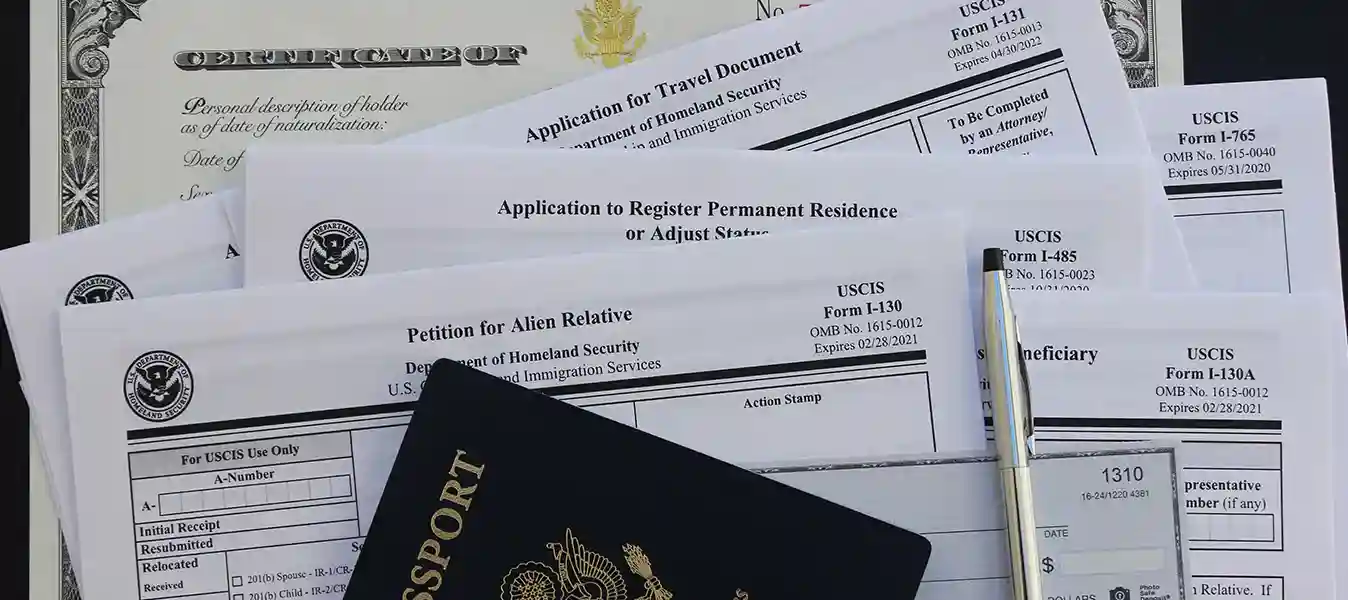


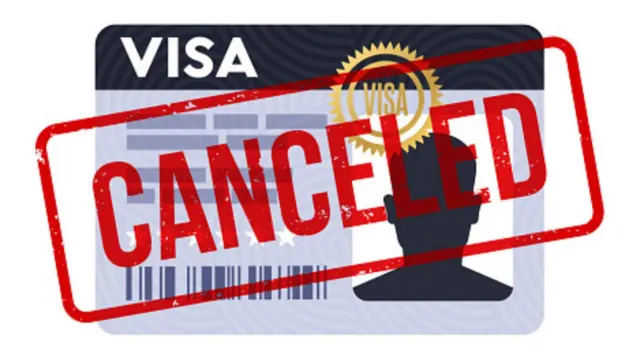
The U.S. Department of State says it has revoked more than 175,000 visas from foreign nationals under President Donald Trump, as the administration expands its use of continuous vetting to identify visa holders accused of criminal activity, fraud, immigration violations, threats of violence, and conduct considered a national-security concern.
In a fact sheet released Monday, August 10, 2026, the State Department said the majority of the revocations followed encounters with law enforcement involving a range of alleged criminal offenses.
According to the department, assault, driving under the influence, theft, and drug-related offenses were among the leading reasons visas were revoked. Officials said other cases involved reckless driving, sexual assault, child abuse, fraud, embezzlement, and additional criminal conduct.
The department attributed the revocations to what it described as continuous vetting of visa holders—an ongoing process intended to determine whether individuals who were previously issued U.S. visas remain eligible to retain them.

“A U.S. visa is a privilege, not a right,” the State Department said in announcing the figures.
The agency said the Trump administration intends to continue using visa revocation authority against foreign nationals it believes have violated U.S. law, abused the immigration system or posed a threat to public safety or national security.
The fact sheet listed several examples of cases that officials said resulted in visa revocations.
Among them was a foreign national charged with felony rape and sexual battery, including an allegation involving a victim with a mental disability.
Another foreign national was charged with kidnapping, human trafficking, and sexual exploitation of a minor, according to the department.
The State Department also cited the case of an individual arrested on allegations including disorderly conduct, resisting arrest with violence, driving under the influence, and domestic violence.

In another example, officials said a foreign national was arrested while allegedly driving with heroin and with a blood-alcohol concentration more than three times the legal limit.
Other cited cases involved allegations of sexual abuse of children, possession of child sexual abuse material, and sexual assault involving a student.
The fact sheet reflects the State Department’s descriptions of the cases and allegations. Criminal charges, where applicable, do not by themselves constitute criminal convictions.
The administration is also using the visa revocation authority in cases involving alleged fraud.
The department said one foreign national was accused of helping operate a Medicaid fraud scheme involving more than $5 million in fraudulent billing for services that allegedly were never provided.
Another individual was accused of falsifying company revenue, misleading investors,
and using forged documents and false representations to fraudulently obtain a U.S. visa.
The State Department also said a U.S. embassy in North Africa revoked more than 100 visas involving parents accused of participating in so-called “birth tourism” — traveling to the United States primarily to give birth so that their children would acquire U.S. citizenship.
The fact sheet shows that the administration’s visa enforcement is not limited to traditional criminal offenses.
The State Department said visas were revoked from multiple foreign nationals who publicly celebrated the assassination of Charlie Kirk. The department cited statements posted by some individuals that officials interpreted as celebrating or endorsing political violence.
Secretary of State Marco Rubio has also determined that several foreign nationals are deportable on grounds of foreign policy, according to the department.
The cases cited by the State Department include a Cuban national allegedly linked to a Cuban government influence operation, Iranian nationals with alleged connections to the Iranian government, a Laotian national described by the department as a child sex offender, and a Kuwaiti national accused of expressing support for violence against the president of the United States and describing Americans as enemies.
Those cases involve distinct legal authorities, and a State Department determination regarding a visa or foreign-policy concern does not necessarily mean that an individual has already been removed from the United States.
For immigrants and international travelers, an important distinction exists between visa revocation and removal from the United States.
A visa generally allows a foreign national to travel to a U.S. port of entry and request admission. Revoking that visa can prevent the person from using it for future entry.
For someone who is already physically present in the United States, however, the immigration consequences can depend on several factors, including the person’s current immigration status, the reason for the visa revocation, and whether the Department of Homeland Security initiates separate removal proceedings.
The State Department itself does not carry out deportations. Immigration enforcement and removal proceedings generally involve the Department of Homeland Security and, in many cases, the immigration courts.
The State Department’s fact sheet separately referenced deportability determinations made by Secretary Rubio in certain cases involving foreign-policy considerations.
The announcement is another indication that the Trump administration is placing increased emphasis on reviewing foreign nationals even after visas have been issued.
Under continuous vetting, information obtained after the initial visa approval, including law-enforcement encounters or other information reviewed by the government, may prompt officials to reconsider whether a person remains eligible for the visa.
The State Department said it would continue identifying, investigating, and revoking visas belonging to foreign nationals it believes pose a danger to Americans, engage in criminal conduct, commit fraud, or otherwise abuse the U.S. immigration system.
The department reported that more than 175,000 visas have been revoked under the current administration, making visa enforcement an increasingly visible component of President Trump’s broader immigration and national-security policies.
http://State Department Says More Than 175,000 U.S. Visas Have Been Revoked Under Trump
https://www.facebook.com/CaribbeanNewsMedia
Source: U.S. Department of State Fact Sheet, August 10, 2026.
This article was originally written in English. Other language versions are produced using AI translation software, and errors are possible — the English version is authoritative. CTN also uses AI to convert text into audio.