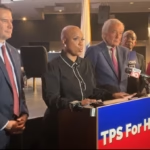



All the 214 democrats and 4 republicans have signed the petition.
Marie Gluesenkamp Perez, Democrat representing Washington State’s Third Congressional District, became the final lawmaker to sign the discharge petition, bringing it to the 218 votes required to advance the measure through the House.
She signed just minutes before midnight on Friday, March 27, 2026, marking the culmination of a process that began several months earlier.
““Notwithstanding any other provision of law, the Secretary of Homeland Security shall designate Haiti for temporary protected status until the date that is 3 months after January 20, 2029”, says the text of the petition.
The resolution was initially referred to the Committee on Rules, where it had faced no prospect of advancing under the current Republican majority. The discharge petition allowed Pressley and her allies to bypass that committee entirely and bring the bill directly to the House floor.
This historic milestone now shifts the battle to the Senate, where the path forward becomes considerably steeper.

What the Petition Says
The discharge petition lays out precise procedural instructions for how the House must handle H.R. 1689 once the resolution is adopted. According to its text, “immediately upon adoption of this resolution, the House shall proceed to the consideration in the House of the bill (H.R. 1689) to require the Secretary of Homeland Security to designate Haiti for temporary protected status.”
The resolution waives all points of order against consideration of the bill and against provisions within it, a procedural step that prevents opponents from using technical objections to block debate. It also stipulates that the bill shall be “considered as read,” meaning the full text does not need to be read aloud on the floor before members vote.
On the substance of the protection itself, the key operative provision is direct.
The petition’s amendment in the nature of a substitute states that “the Secretary of Homeland Security shall designate Haiti for temporary protected status until the date that is 3 months after January 20, 2029.” That language would lock in TPS protections for Haitian beneficiaries for approximately three years, extending well beyond the current administration’s term in office.
The resolution also provides for one hour of floor debate, “equally divided and controlled by the majority leader and minority leader or their respective designees,” and permits one motion to recommit. Additionally, it requires the Clerk of the House to transmit the bill to the Senate no later than one week after passage.
Discharge petitions are rare instruments in Congress. They require an absolute majority of the full House membership — 218 out of 435 — to force legislation out of committee and onto the floor for a vote. The mechanism exists precisely for situations like this one, where a committee chair or party leadership refuses to schedule a bill for consideration despite broad support.
Democrats hold fewer than 218 seats in the current Congress, which meant Pressley needed Republican co-signers to reach the threshold. The final push required only a small number of Republican members to cross party lines, but securing those signatures took weeks of sustained pressure from advocacy organizations, faith communities, business groups, and constituents in districts with significant Haitian and immigrant populations.
Pressley represents Massachusetts’ 7th Congressional District, which includes one of the three largest Haitian communities in the United States. She has championed Haitian TPS protections since introducing the petition roughly a month ago, consistently stating that the legislation would extend legal status for at least three years if enacted into law.
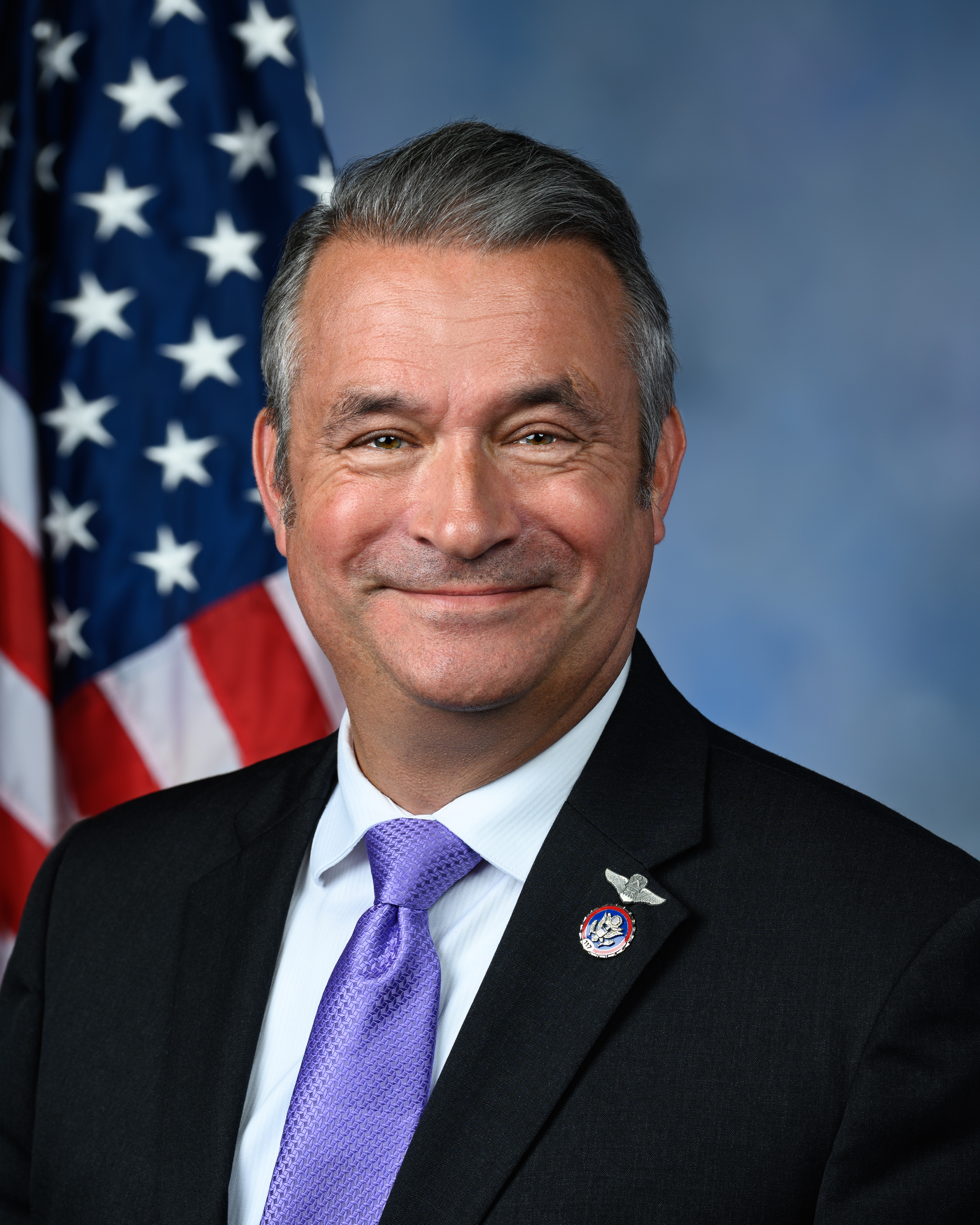
Representative Don Bacon of Nebraska was the 4th republican to sign the petition on Thursday March 26, 2026.
The Senate Challenge
Under Senate rules, the legislation needs at least 60 votes to overcome a filibuster and advance to a final vote. Where the House required only a handful of Republicans to push the petition over the line, the math in the upper chamber is far more demanding. Democrats must hold their entire caucus together and recruit at least 13 Republican senators to join them — a level of bipartisan cooperation that has been exceedingly difficult to achieve on immigration matters in recent years.
Pressley is already coordinating with Senate allies. She has been working with Massachusetts Senators Elizabeth Warren, Ed Markey and other members of the upper chamber to build bipartisan support for the bill’s companion effort in the upper chamber. Whether that coordination can produce 60 votes remains an open and urgent question.
The resolution itself anticipates the need for speed. By requiring the Clerk to transmit the passed bill to the Senate within one week, the petition’s drafters built in a timeline that prevents unnecessary delay between the two chambers.
The Supreme Court Track
Even as the legislative effort advances, the nine justices of the Supreme Court may determine the ultimate fate of Haitian TPS beneficiaries. The court plans to hear oral arguments in April in a consolidated case that could decide whether the Trump administration has the authority to cancel TPS designations for Haitians and Syrians.
The administration has asked the court to authorize ending TPS protections for more than 350,000 Haitians and approximately 6,000 Syrians, according to figures the federal government presented in its filings. However, those numbers likely undercount the full scope of the affected population. U.S. District Judge Ana C. Reyes cited data during a January hearing showing that more than 560,000 Haitians currently hold or are eligible for TPS — a figure that reflects both current beneficiaries and those who may qualify under existing designations.
If the Supreme Court sides with the administration, every TPS beneficiary without an independent legal immigration status would face the risk of deportation — unless Congress acts first and enacts Pressley’s legislation into law. That dual track — the courts and the legislature — is why advocates have pressed forward on both fronts simultaneously, treating neither as a guaranteed outcome.
What Is Temporary Protected Status
Temporary Protected Status is a humanitarian immigration designation that the Secretary of Homeland Security can grant to nationals of countries experiencing armed conflict, environmental disasters, or other extraordinary conditions that make safe return impossible. Congress created the TPS program as part of the Immigration Act of 1990.
Haiti has been designated for TPS multiple times over the past two decades. The most significant designation followed the catastrophic earthquake of January 12, 2010, which killed an estimated 220,000 people, displaced more than 1.5 million, and destroyed much of the country’s infrastructure. Subsequent redesignations have reflected ongoing instability, including the aftermath of Hurricane Matthew in 2016, the assassination of President Jovenel Moïse in July 2021, a second major earthquake in August 2021, and the continued deterioration of security conditions driven by armed gangs that have effectively paralyzed large parts of Port-au-Prince and surrounding areas.
TPS holders are authorized to live and work in the United States for the duration of their designation. They receive Employment Authorization Documents, can obtain driver’s licenses, and in many cases have built deep roots in American communities over years and sometimes decades of legal residence. Many are parents of U.S.-born children who are American citizens by birth.
The program does not provide a direct path to permanent residency or citizenship, which means that TPS holders remain in a legally precarious position if their designation is terminated. They would revert to whatever immigration status — or lack of status — they held before receiving TPS, exposing them to removal proceedings.
Economic Stakes
The economic stakes surrounding Haitian TPS have not escaped members of both parties. Several Republican members of Congress and at least three Republican governors have voiced concern about how ending Haitian TPS would affect American businesses and public services that depend on TPS holders as workers, taxpayers, and community members.
Of the 350,000-plus current TPS beneficiaries from Haiti, more than 100,000 work in healthcare — an industry that already relies heavily on immigrant labor and faces chronic staffing shortages across the country. Haitian TPS holders also work in significant numbers in construction, hospitality, food processing, and transportation, sectors where labor shortages have been persistent and where the sudden removal of a large segment of the workforce would create immediate disruptions.
The economic argument has proven to be one of the most effective tools for building bipartisan support. Business owners, hospital administrators, and local government officials in states with large Haitian populations — including Florida, New York, Massachusetts, New Jersey, and Connecticut — have spoken publicly about the consequences of mass deportation for their operations and communities.
What Comes Next
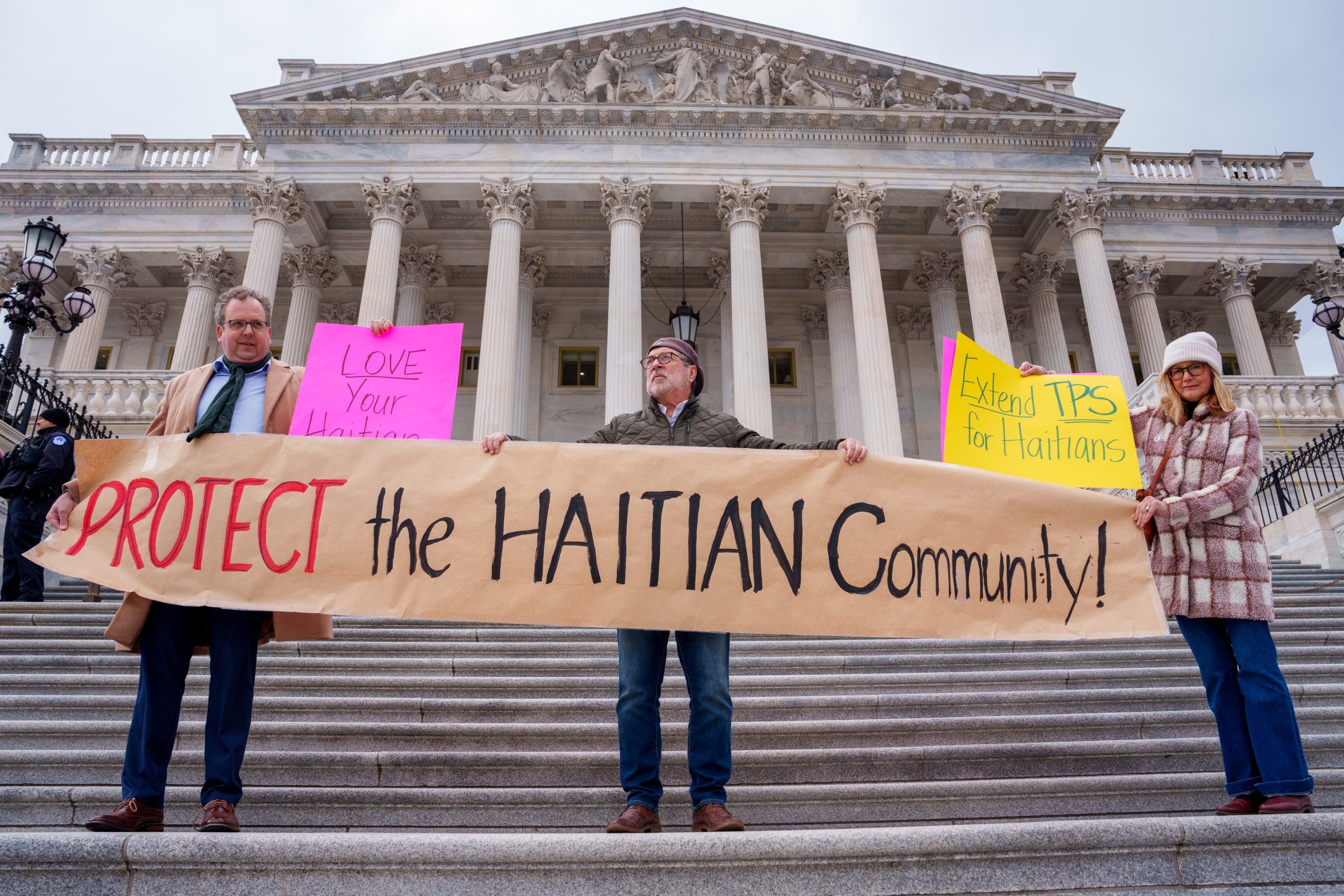
The discharge petition’s success in the House represents the clearest legislative victory for Haitian TPS advocates in years. But the path from 218 House signatures to a law signed by the president remains long and uncertain.
The bill must survive a Senate where the filibuster gives the minority enormous power to block legislation, where immigration has been a politically toxic subject for members of both parties, and where the current administration has made the termination of TPS designations a central element of its immigration enforcement agenda.
Meanwhile, the Supreme Court’s April oral arguments will proceed on a separate but parallel track. A ruling in the administration’s favor could render the legislative effort not just important but existentially urgent for the more than half a million Haitians whose legal presence in the United States depends on the TPS designation.
Pressley and her allies in both chambers are operating under the assumption that neither track is certain and both are necessary. The discharge petition has demonstrated that a majority of the House supports extending Haitian TPS. The question now is whether that support can be replicated in the Senate before the court renders its decision — and before the administration moves to begin terminating protections.
https://ctninfo.com/?p=41439&preview=true
https://www.facebook.com/CaribbeanNewsMedia

Disclaimer: This article was originally written and published in English by the Caribbean Television Network (CTN). Versions in other languages have been produced through automated translation using artificial intelligence software.
While every effort is made to ensure quality, automated translations may contain inaccuracies, awkward phrasing, or errors that do not reflect the intent of the original text.
Readers are encouraged to consult the original English version for the most accurate and authoritative account.
CTN assumes no responsibility for misinterpretations arising from automated translations.