

DHS e-Verification System Update: Work Authorization Changes
What This Update Is About
The Department of Homeland Security has published a new update to the e-Verification system.
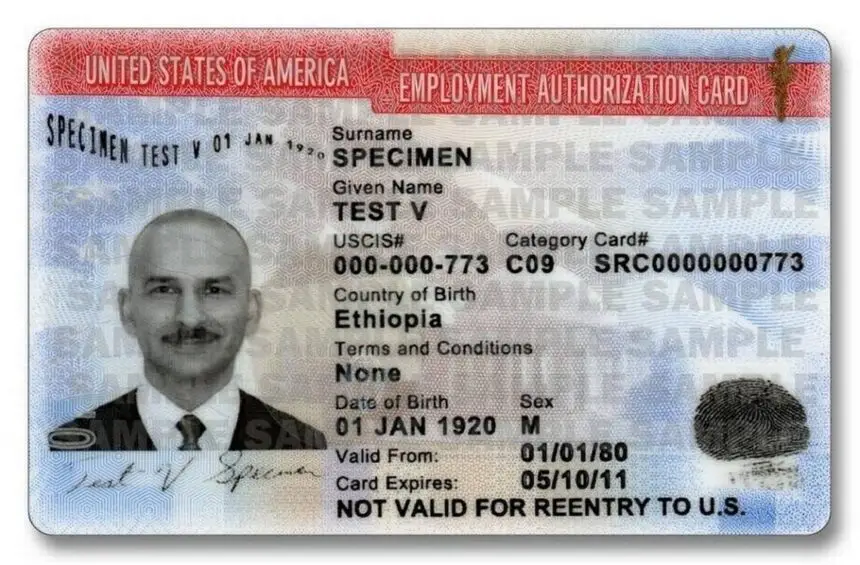
The e-Verification system is the tool that employers use to verify that workers are eligible to work in the United States. It confirms whether a work authorization card is valid.
This is a summary of what DHS announced on Tuesday, August 11, 2026.
What DHS Is Telling Employers
DHS is telling employers: For some time, we required you to verify the work eligibility of people with Temporary Protected Status (TPS) so they could continue working. We want you to know that TPS has now ended.

However, this does not mean you have no responsibility to continue verifying your employees’ work authorization cards. It is not only people with TPS whose work cards can be terminated. We can terminate work authorization for people with pending asylum applications, pending adjustment-of-status applications, and others.
We require you to periodically verify that the work authorization cards of immigrants working at your company remain valid.
Important Information About Expiration Dates
DHS is continuing to tell employers: The fact that an expiration date on a work authorization card shows the card is valid for six months, one year, two years, three years, or five years does not mean the card is automatically valid for that entire period.
DHS states: There are many circumstances that can mean an expiration date on a work authorization card does not reflect when the card actually ceases to be valid. DHS may have decided to revoke a person’s work authorization even though the card still appears valid. If you do not check the e-Verification system, you will never know if the card has been revoked. In reality, according to DHS, when the government revokes a work authorization card, it does not require employers to return the physical card.
This update means that employers enrolled in the E-Verify program can now use a report to identify cases where an employee used a work authorization card that DHS has since canceled.

New Work Authorization Categories Now Included
According to DHS, the Status Change Report now includes work authorization cards that were canceled in categories C08, C09, A12, and C19. Previously, the report only included category C11, which generally concerns people who received permission to enter the United States under a “Parole” program.
Category C08 applies to people with pending asylum applications.
Category C09 applies to people who have filed for adjustment of status under Section 245 of the Immigration and Nationality Act, often as part of an application for permanent legal residence.
Category A12 applies to people who have already received Temporary Protected Status (TPS).
Category C19 applies to people with pending TPS applications that have not yet been decided.
DHS states that it has the authority to revoke C08 and C09 work authorization cards when an asylum application (Form I-589) or adjustment of status application (Form I-485) is withdrawn, approved, or denied.
The agency also states that it has the authority to revoke A12 and C19 work authorization cards, in accordance with applicable procedures, when a country’s TPS designation ends or the government terminates that protection.
Why This Matters for Immigrant Communities
This update is particularly important for immigrant communities affected by TPS and other humanitarian protection programs.
Many workers may still have the physical work authorization card in their hands, and the card may appear valid on its face. However, DHS is making clear that this document may no longer be valid if the agency has already canceled it in its system.
DHS states that the Status Change Report will continue to be updated every two weeks as new information becomes available.
This change creates an obligation for employers to periodically verify that their employees remain eligible to work.
If an employee’s work authorization card appears in the Status Change Report, an employer using E-Verify must re-verify the employee’s work authorization on “Supplement B” of Form I-9.
DHS specifies that employers should not create a new E-Verify file for the employee.
During the re-verification process, the employee must be allowed to present valid documents from either List A or List C of documents acceptable for Form I-9. Employers should not re-verify identity documents from List B, because this process concerns work authorization, not identity.
Anti-Discrimination Requirements
DHS also warns employers not to discriminate during the re-verification process.
Under the Immigration and Nationality Act, employers have no right to treat workers differently because of their national origin, citizenship, or immigration status. They cannot:
- Ask for more documents than the law requires
- Force an employee to present a specific type of document
- Ask an employee to present the same document they already provided
- Refuse documents that appear authentic and relate to the person presenting them
DHS also specifies that employer agents must inform their clients if one of their E-Verify records concerns a DHS-canceled work authorization card. These agents may produce a separate Status Change Report for each client.
For affected immigrant workers, this update shows that the expiration date printed on a work authorization card is not always sufficient to determine whether the authorization is still valid.
DHS makes clear that a person may still possess the physical work authorization card because the government has not collected all the work authorization cards it has issued, even after revoking them in its system.

https://ctninfo.com/dhs-expands-e-ve…ted-work-permits/
https://www.facebook.com/CaribbeanNewsMedia