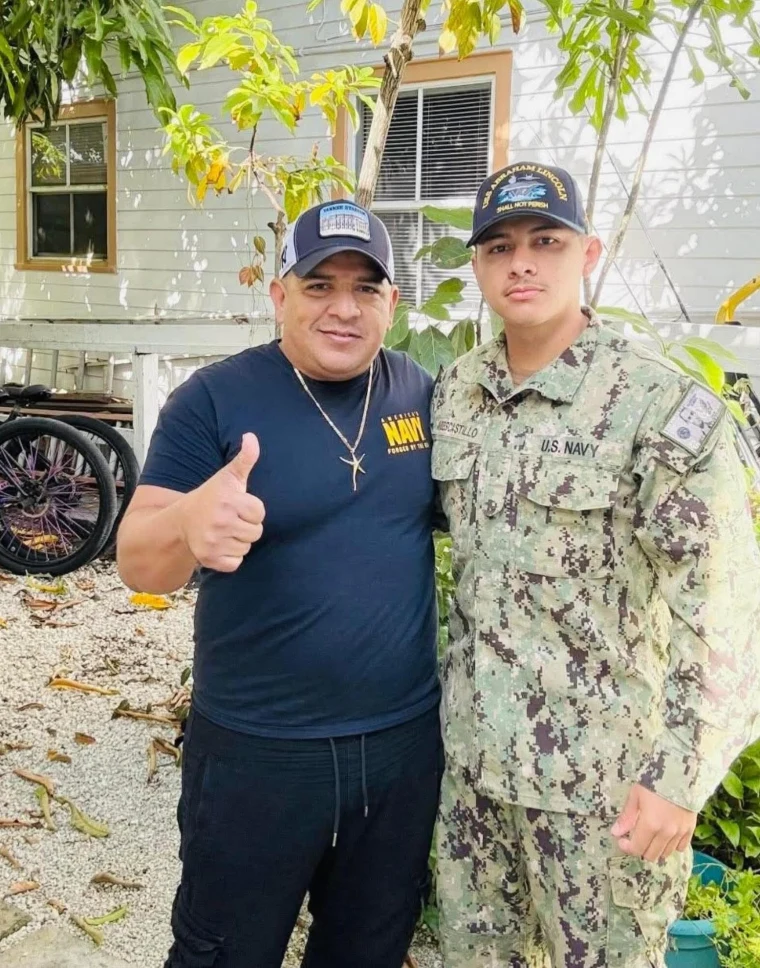


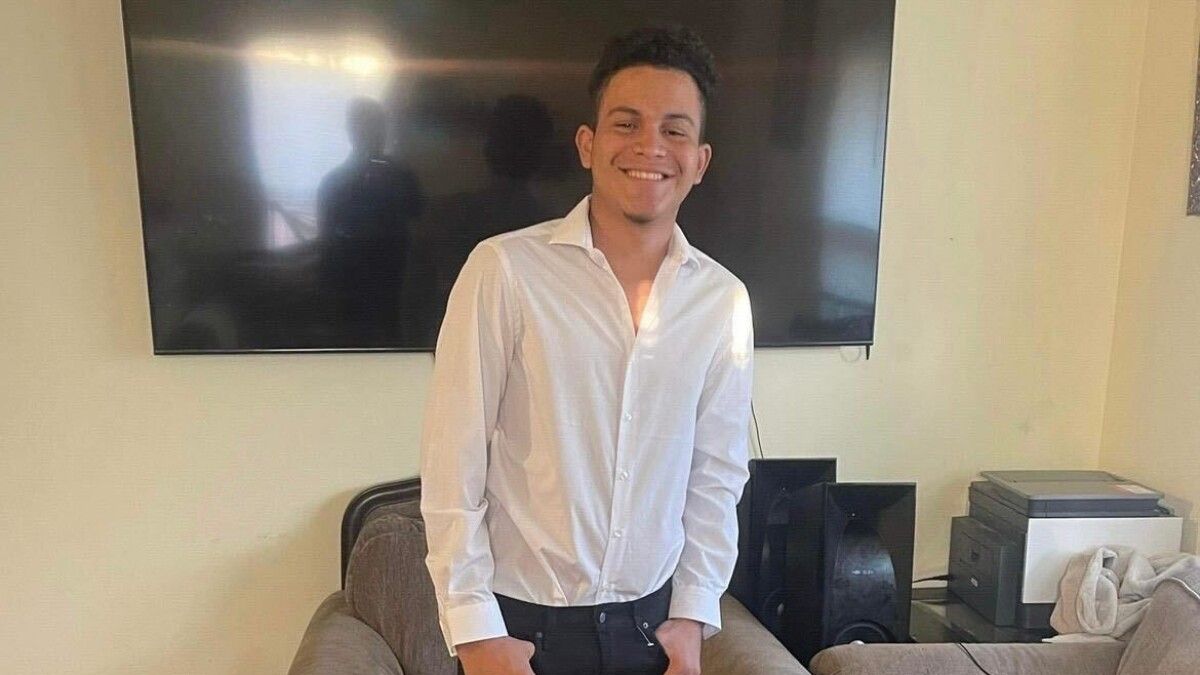
A young Honduran man who was deported this spring despite holding humanitarian legal status won a rare court order forcing the government to bring him back to the United States. But instead of returning to his family in Raleigh, North Carolina, José Eliezer Martínez-Andino landed in an immigration jail in Texas, where he remains today.
Martínez-Andino had spent years assembling exactly the kind of legal standing that was supposed to protect him. He crossed alone into Texas at 14 in 2020, and in 2023 a judge granted him Special Immigrant Juvenile Status, a humanitarian protection for young people under 21 who have been abused, neglected, or abandoned by a parent, according to WUNC. That status came with deferred action and a work permit, and his lawyers said he was only months from being able to apply for a green card. He is also the father of a U.S.-citizen daughter, now 3.
His ordeal began far from home.
On March 18, Border Patrol agents stopped a car he was riding in as it crossed Montana on the way to Seattle, saying the vehicle carried a forged license plate, according to La Prensa.
Over the following weeks, he was moved among at least six detention facilities in different states, U.S. District Judge Beryl Howell later wrote, per ABC News. Within about a day of his arrest, officers pressed him to sign a voluntary-departure form. “I signed it out of fear,” he told WUNC in Spanish, saying officials had warned him he could face a long detention and a five-year bar on returning. He changed his mind almost immediately, he said, once he weighed the violence and joblessness awaiting him in Honduras.

The form he signed, known as Form I-826, allows a person to cancel a voluntary departure and take their case to immigration court any time before they actually leave the country. Martínez-Andino says he tried repeatedly to invoke that right while being shuttled between facilities in Montana and Arizona, according to La Prensa. His attorney filed notice that she was representing him on March 31, then spent days unable to get ICE or Customs and Border Protection to say where he was being held. He was flown to Honduras on April 10, landing in his birth city of Tela. “It was a truly horrible experience that I wouldn’t wish on anyone,” he told WUNC.
The government tells a different story.
Martínez-Andino “received full due process,” a DHS spokesperson told Newsweek, adding that he had been issued a voluntary departure and left the country on April 10. Asked specifically about the claim that his lawyers could not reach him, the spokesperson was blunt: any such allegation is “FALSE,” DHS told ABC News.
The department also said he entered the country without authorization in 2020 and was released under the previous administration, and that an earlier case against him was closed without a decision on the merits.
Judge Howell was not persuaded. In a temporary order in late June, she directed DHS to work toward returning him, writing that the government had removed him “in a manner that boggles the mind,” according to ABC News.
He had “seemingly disappeared,” barred from contacting his lawyers for more than ten days while neither ICE nor CBP would say where he was, Howell wrote, per ABC News.
The government, she noted, offered no sworn statements from any officer to rebut his account. A month later, after fuller briefing, Howell issued a 46-page preliminary injunction reinforcing the order and rejecting the government’s argument that courts had no power to compel his return, Newsweek reported. She leaned heavily on a 2025 Supreme Court order in the case of Kilmar Abrego Garcia, the Maryland man wrongly sent to a Salvadoran prison, which established that courts can require agencies to bring back people who were improperly deported. Howell set no firm deadline but ordered DHS to file progress reports every 48 hours, according to the Latin Times.
His return, on Aug. 5, did not take him home.
He flew out of San Pedro Sula and landed not in Raleigh but in Harlingen, Texas, according to WUNC. “Our client arrived in the US overnight and is presently detained in Texas,” attorney Derrick Hensley told Newsweek. CBP confirmed to La Prensa that he had returned under a judicial order and remained in custody.
DHS has since filed a fresh removal case against him through the regular immigration courts rather than the fast-track voluntary-departure process it used the first time. That change matters, his attorney Ayla Blumenthal told La Prensa, because it gives him a chance to fight deportation before a judge.
His legal team is seeking a bond hearing and is prepared to file a habeas corpus petition if that fails; if he is released, he may be able to pursue permanent residency through an already-approved petition tied to his juvenile status.

Winning release, however, has grown harder. A divided federal appeals court panel ruled in early July that immigrants held in Texas, Louisiana and Mississippi are entitled to individualized custody hearings after 90 days in detention, but the full Fifth Circuit voted less than two weeks later to rehear the case, erasing that ruling and reinstating mandatory, no-bond detention for now, according to reporting on the Fifth Circuit’s bond decisions.
The rehearing is not scheduled until September, leaving his custody status, and that of many others detained in the region, unresolved, the Latin Times reported.
Court-ordered returns like his remain rare.
Advocates say Martínez-Andino is one of well over a hundred Special Immigrant Juvenile Status recipients deported since the current crackdown began, and DHS told a U.S. senator’s office that agents took 265 SIJS holders into custody in 2025, removing 132 of them, according to WUNC. “We hope that José’s return is the harbinger of more justice for SIJS youth,” said Rachel Davidson, director of the End SIJS Backlog Coalition at the National Immigration Project, in an email to WUNC, adding that such young people are being “increasingly and cruelly targeted.”
https://ctninfo.com/?p=44333&preview=true
Source: https://www.newsbreak.com/