


The Trump administration moved Monday to restore asylum processing for a portion of the nearly four million applicants whose cases have been on hold since last November, but the change offers nothing to migrants from Haiti, Cuba, Venezuela, and dozens of other nations still locked out under the administration’s travel ban.
U.S. Citizenship and Immigration Services announced it was removing what it called an “adjudicative hold” on cases belonging to applicants from countries not designated as high-risk.
According to the Department of Homeland Security, maximum vetting and screening would continue, and the move was intended to redirect agency resources toward higher-risk cases requiring more intensive national security review. CBS News first reported the development.
The shift marks one of the few occasions the Trump administration has reversed course on an immigration restriction. However, this development, while notable, may have a limited immediate impact. Advocates for migrant communities should be careful not to read too much into it. For the overwhelming majority of those waiting, nothing has changed, setting the stage for a closer look at what triggered the freeze.
What Triggered the Freeze
The original pause, announced in November 2025, placed a hold on roughly four million asylum applications after an Afghan national shot two National Guardsmen in Washington, D.C., on November 26. One of those soldiers, Specialist Sarah Beckstrom, 20, died from her injuries the following day. Staff Sergeant Andrew Wolfe, 24, survived after weeks of hospitalization.
The accused shooter, Rahmanullah Lakanwal, 29, entered the U.S. in 2021 through Operation Allies Welcome. His asylum application, filed under Biden, was approved by the Trump administration, according to PBS NewsHour and court records.
Lakanwal pleaded not guilty in February to charges including first-degree murder while armed, assault with intent to kill, firearm transportation, and multiple counts of weapons possession during a violent crime. He remains in federal custody without bond. Federal prosecutors have not ruled out seeking the death penalty. A status conference before Judge Amit Mehta is scheduled for May 6, at which point the government is expected to signal whether it will pursue a superseding indictment that could include capital charges, according to NBC News.
Who Stays Frozen — and Why It Matters
Monday’s announcement applies only to applicants from nations not covered by Trump’s expanded travel ban.
The freeze remains in place for nationals of 39 countries subject to full or partial entry restrictions — a list that includes Haiti, Cuba, and Venezuela in the Western Hemisphere, along with African nations such as Senegal, Somalia, and Nigeria, and Asian countries including Afghanistan, Iran, and Laos, CBS News reported.
These 39 countries account for the majority of backlogged applicants. For Haitian applicants, the asylum process remains entirely closed under these rules, despite ongoing legal challenges.
The administration has also extended a pause on immigrant visa processing for nationals of 75 countries and continues requiring many asylum seekers to wait in Mexico—as mandated under the “Remain in Mexico” policy reinstated on Trump’s first day back.
Immigration attorneys and advocates have long warned that the broad freeze, triggered by one individual’s actions, was legally questionable and counterproductive, leaving backlogged cases unassigned and without hearing dates.
Monday’s decision does not lift the freeze for applicants affected by the travel ban. Ports of entry for asylum seekers remain closed, and the appointment-based entry system remains canceled.
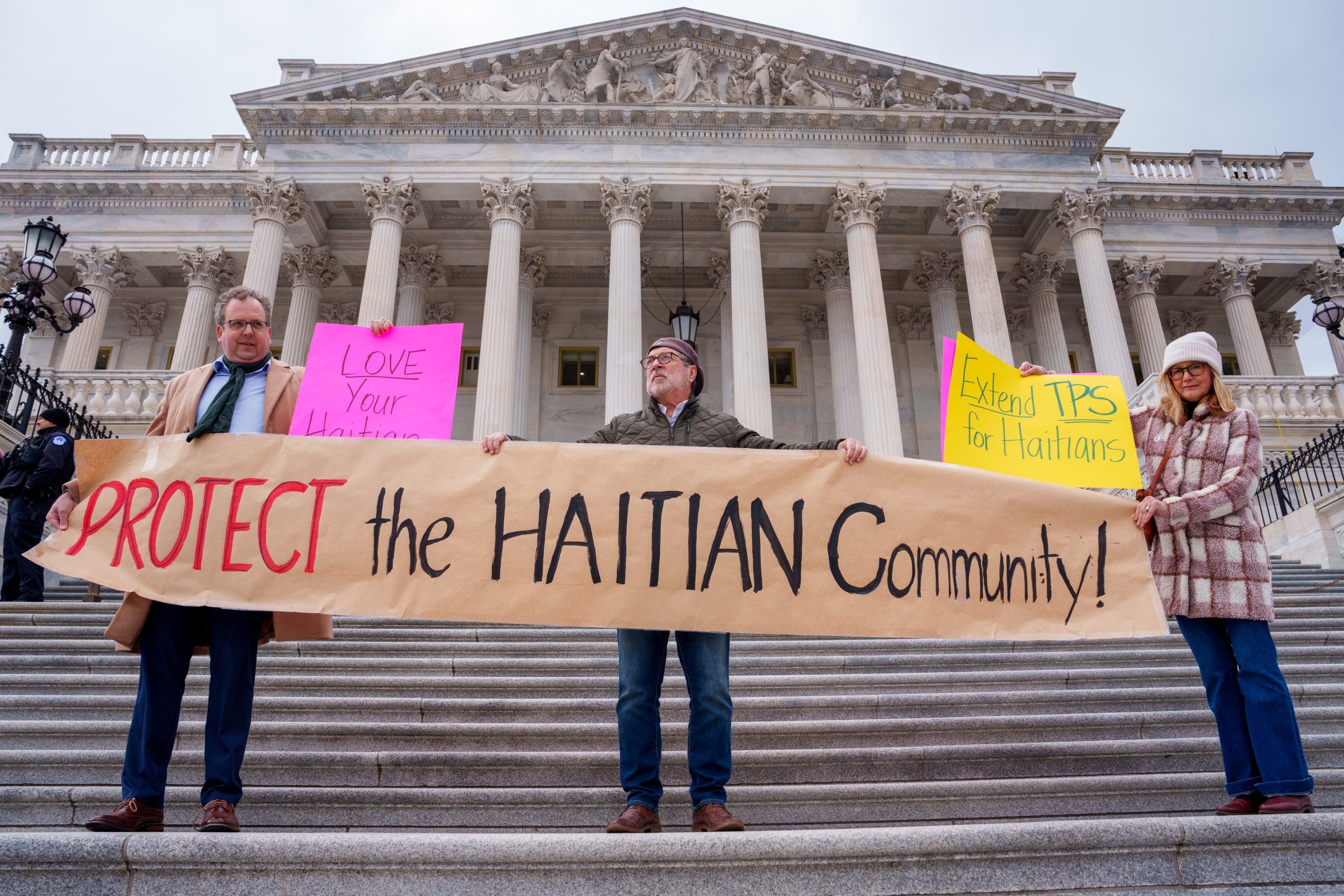
For the Haitian community, asylum remains blocked by the travel ban, a TPS termination order is still in litigation, and priorities are accelerating deportations.
USCIS did not indicate how quickly case adjudication will resume or how many applicants will benefit immediately.
Source: The Hill