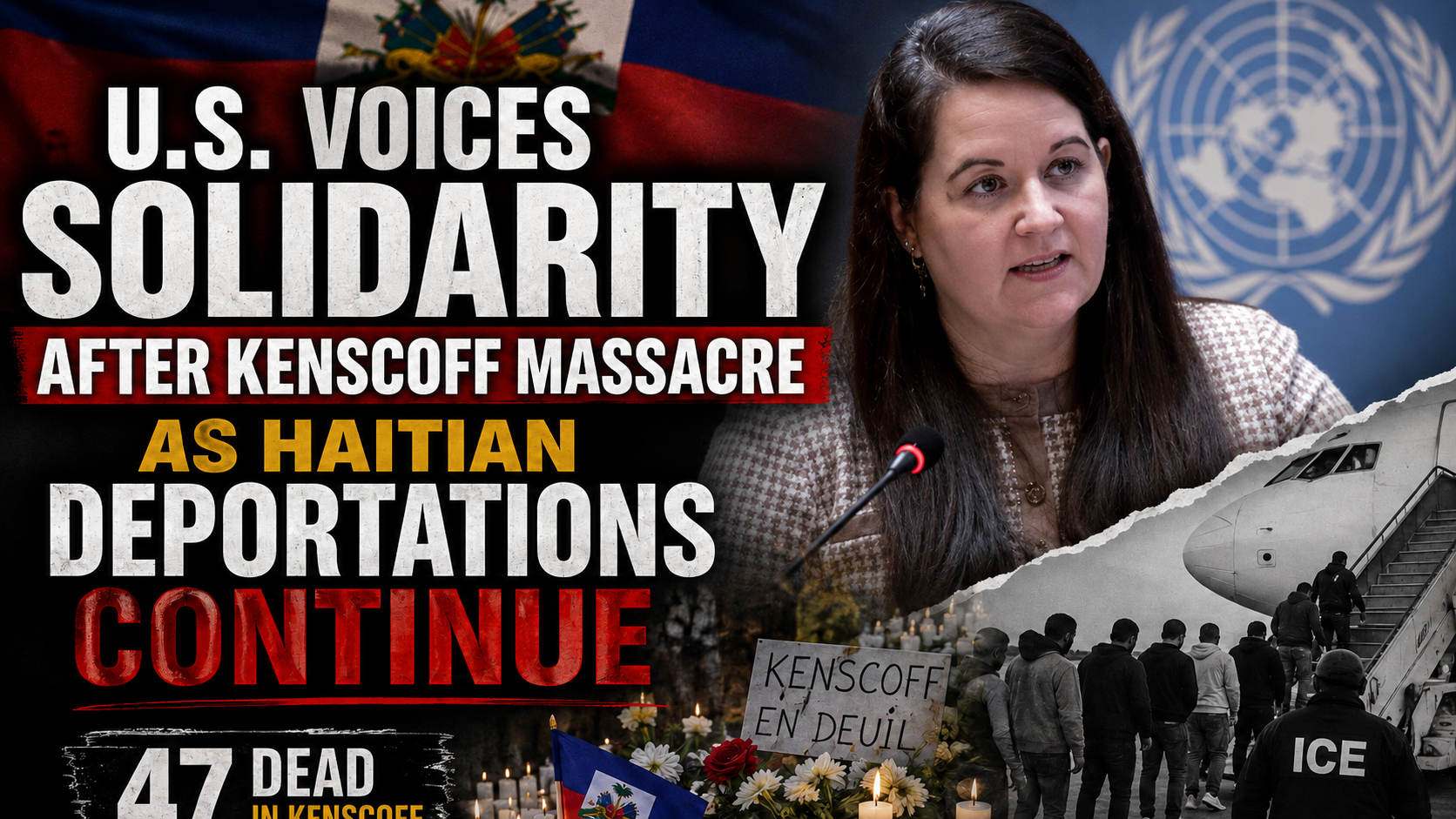
The United States has strongly condemned the deadly gang attack in Kenscoff that killed at least 47 people and pledged continued support for Haiti. This comes as the Trump administration continues deportation flights returning Haitians to a country U.S. officials describe as facing a devastating security crisis.
Speaking before the United Nations Security Council, Jennifer Locetta, the U.S. Alternative Representative for Special Political Affairs, denounced the attack and expressed Washington’s condolences to the victims and their families.
“The United States condemns in the strongest possible terms the brutal attacks perpetrated by terrorist gangs,” Locetta said. “We mourn the innocent lives lost and extend our deepest condolences to the victims and their loved ones.”
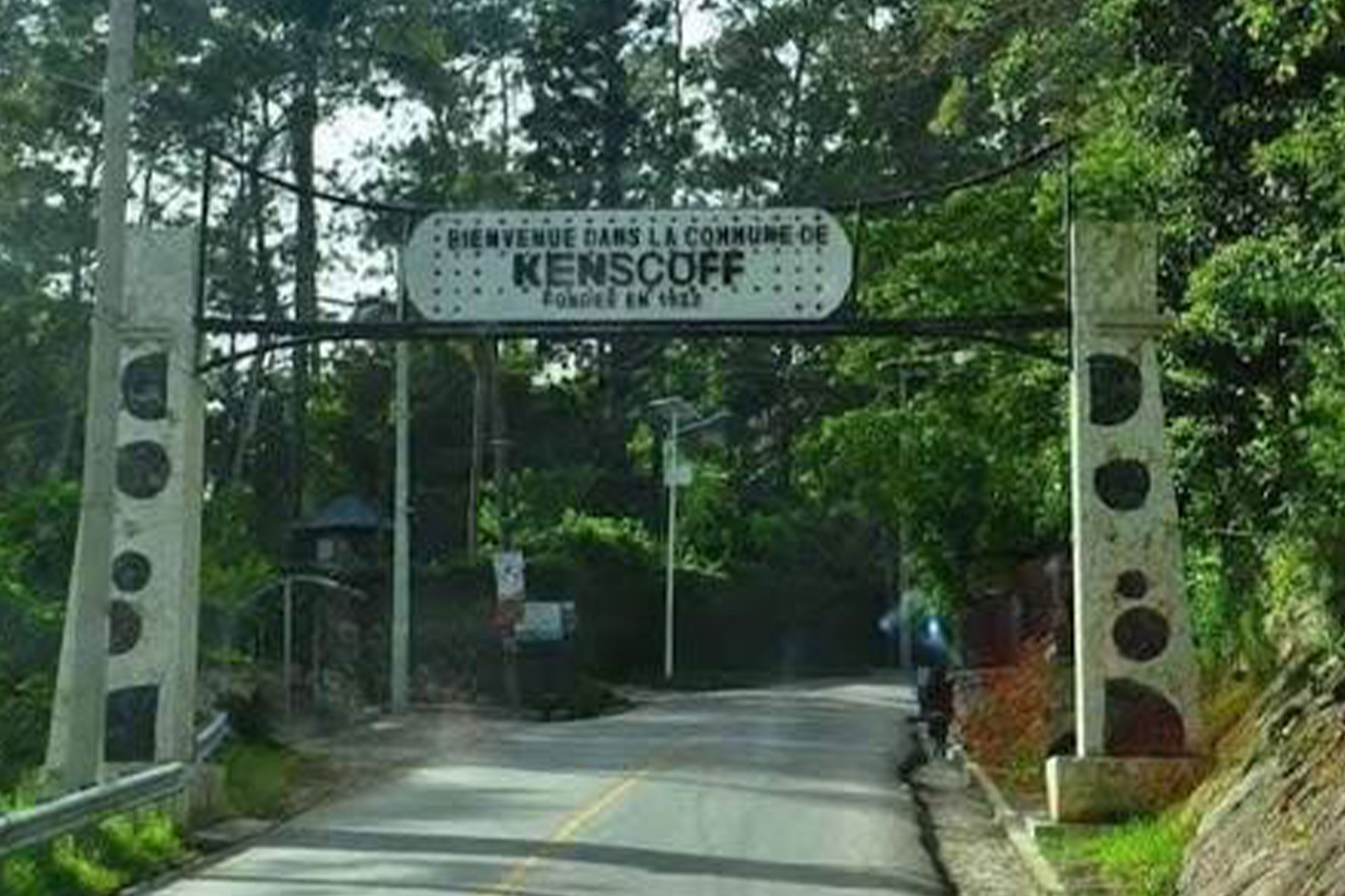
The massacre in Kenscoff, a mountainous community overlooking Port-au-Prince, left at least 47 people dead, including five children, according to the United Nations. Dozens of people were also abducted and many others injured during the attack.
Locetta described the assault as another reminder of the severity of Haiti’s prolonged security emergency.
“This attack, following months of deadly violence, reminds us once again of the deplorable state of Haiti’s security crisis,” she said. “Gangs are murdering civilians, terrorizing communities, burning homes, and destroying lives.”
Her remarks presented a forceful defense of international efforts to confront Haiti’s armed groups. But they come as the United States continues deporting Haitian nationals, creating a sharp contrast between Washington’s warnings about conditions inside Haiti and its immigration enforcement policies toward Haitians living in the United States.
Washington warns gangs not to threaten Haiti’s elections
A significant portion of Locetta’s remarks focused on the potential threat armed groups pose to Haiti’s planned elections.
She accused gang coalitions of attempting to use violence and intimidation to influence the country’s political future.
“Terrorists cannot hold democracy hostage to achieve their violent objectives,” Locetta said. “These gangs cannot terrorize communities as they go to the polls.”
She added that such actions must be condemned and said the United States supports Haitian authorities seeking to restore state authority and end gang impunity.
“We stand in solidarity with the Haitian authorities as they intensify their efforts to ensure accountability, end gang impunity, restore the authority of the state, and allow the people of Haiti to elect their own representatives,” she said.
Haiti has not held national elections in years, and the continuing expansion of armed groups has raised questions about whether authorities will be able to create sufficiently secure conditions for voters.
The Kenscoff attack has heightened those concerns. The U.N. said the massacre demonstrated the ability of gangs to expand their influence beyond their traditional strongholds and challenge government authority.
U.S. calls for stronger international force
Locetta also used her remarks to press countries to provide more personnel, equipment and financial support to the U.N.-authorized Gang Suppression Force.
“The United States is more determined than ever to support Haiti’s efforts to eradicate gang terror,” she said.
She argued that the international force was established for direct action rather than simply observing Haiti’s deteriorating security environment.
“This force was not created to issue statements from behind the walls of a bunker while the population suffers,” Locetta said. “This is a new mission whose mandate is to end the bloodshed and the actions of the gangs.”
She then delivered one of the strongest passages of her address: “The streets must be patrolled. The gangs must be eradicated. The population must be freed.”
Washington urged countries that have pledged personnel to deploy them as quickly as possible and called on other governments to contribute money to the international force.
“The member states that cherish Haiti now have an opportunity to prove it,” Locetta said. “The force must have the equipment, resources and political will necessary to carry out its work.”
The United States also wants the Security Council to renew the force’s mandate.
Despite her emphasis on security operations, Locetta acknowledged that military and police measures alone would not provide a lasting solution.
“We cannot achieve stability through security forces alone,” she told the Council.
She called for improved governance, infrastructure investment and job creation to provide Haitians — particularly young people — with alternatives to gang recruitment.
“We call on the international community to support Haiti as it moves along the long road toward peace,” she said.
According to Locetta, expanding economic opportunities is essential to addressing some of the conditions that allow armed groups to recruit and maintain control over communities.
“This is how we can give the next generation of Haitians an alternative to gang violence,” she said.
Solidarity abroad, deportations at home
The diplomatic message of solidarity comes against the backdrop of an increasingly aggressive U.S. deportation policy toward Haitians.
On August 20, U.S. Immigration and Customs Enforcement carried out a deportation flight to Haiti following the termination of Temporary Protected Status for Haitians. The Department of Homeland Security said the flight returned 162 people to Haiti.
The aircraft landed in Cap-Haïtien rather than Port-au-Prince, where security concerns have disrupted normal air travel. Other reports put the number aboard the flight at more than 160.
The deportations continue amid extraordinary humanitarian pressures. U.N. officials said nearly 200,000 people were forcibly returned to Haiti from various countries during the first eight months of 2026. Escalating gang violence, displacement, and insecurity continue to overwhelm the country. The resurgence of U.S. deportation flights has contributed to these returns.
Locetta did not address the Trump administration’s deportation policy in the remarks provided to CTN.
That omission highlights a key tension in U.S. policy: Washington urges the international community to provide resources to protect Haitians from armed groups while simultaneously returning Haitian nationals to the same country.
The administration has defended the removals as enforcement of U.S. immigration law. DHS has emphasized that some deportees have criminal records and final orders of removal, while immigrant-rights organizations argue that Haiti remains too dangerous to receive large numbers of returnees.
Locetta ended her Security Council address by reiterating Washington’s commitment to Haiti.
“We stand in solidarity with Haiti, and we will continue to work with Haiti and international partners to bring this crisis to an end and restore stability in the country,” she said.
For Haitians inside the country and across the diaspora, Washington’s approach carries two very different messages: a promise of solidarity and security assistance in international forums alongside an immigration enforcement policy that continues sending Haitians back into the crisis U.S. diplomats ask the world to help resolve.

https://ctninfo.com/?p=44403&preview=true
https://www.facebook.com/CaribbeanNewsMedia
This article was originally written in English. Other language versions are produced using AI translation software, and errors are possible — the English version is authoritative. CTN also uses AI to convert text into audio.
https://ctninfo.com/?p=44403&preview=true
https://www.facebook.com/CaribbeanNewsMedia
This article was originally written in English. Other language versions are produced using AI translation software, and errors are possible — the English version is authoritative. CTN also uses AI to convert text into audio.