The 54-to-45 vote installs a Trump loyalist and Cherokee Nation member to lead a department facing falling public support, a partial government shutdown, and recent controversies.
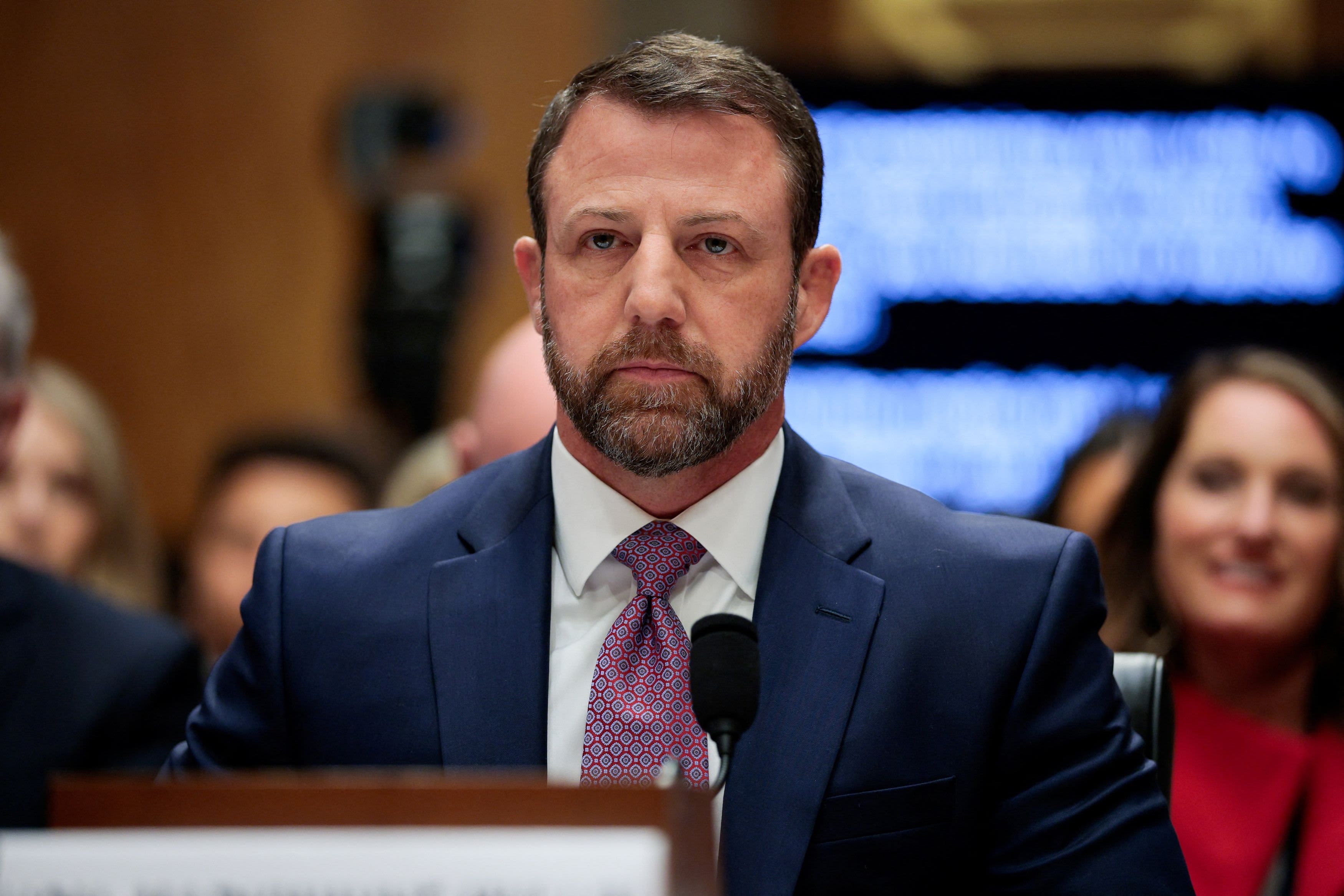
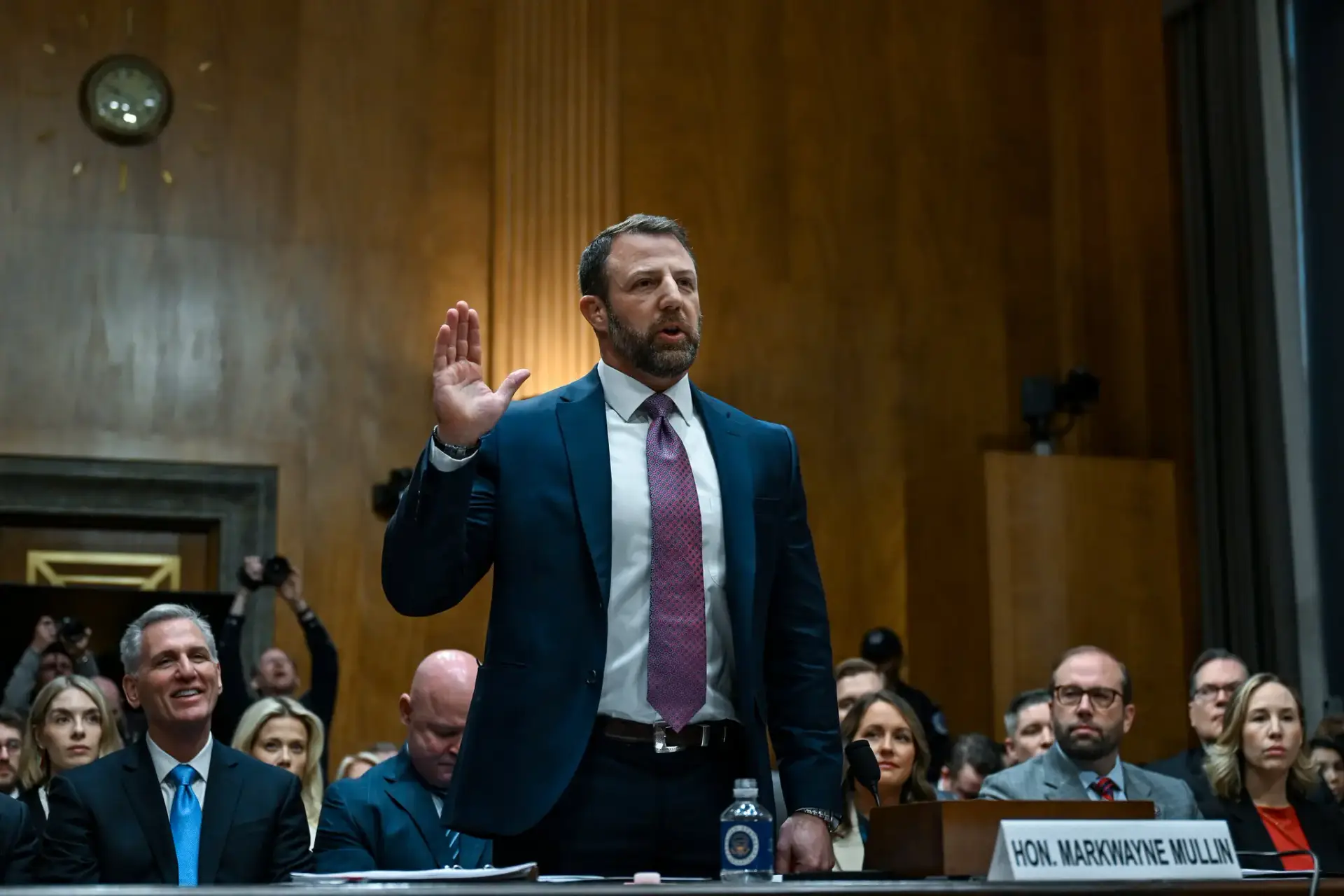
Markwayne Mullin is now the United States Secretary of Homeland Security.
The Senate confirmed the 48-year-old Oklahoma Republican on Monday in a party-line vote.
President Trump now has a new leader for an agency at the center of a national debate over immigration enforcement.
The confirmation vote was 54 to 45, according to The New York Times. Most Republicans supported Mullin; only Senator Rand Paul of Kentucky opposed him after a contentious exchange at Mullin’s confirmation hearing. Two Democrats, John Fetterman of Pennsylvania and Martin Heinrich of New Mexico, crossed the aisle in support.
The timing of Mullin’s confirmation is complicated.
He takes over a department whose public standing has eroded.
In January, two U.S. citizens were fatally shot by federal agents in Minneapolis. These incidents shifted public opinion against the administration’s enforcement approach. Polls show the longstanding Republican advantage on immigration is narrowing. Most Americans now believe immigration agents have overstepped their authority, according to the New York Times.
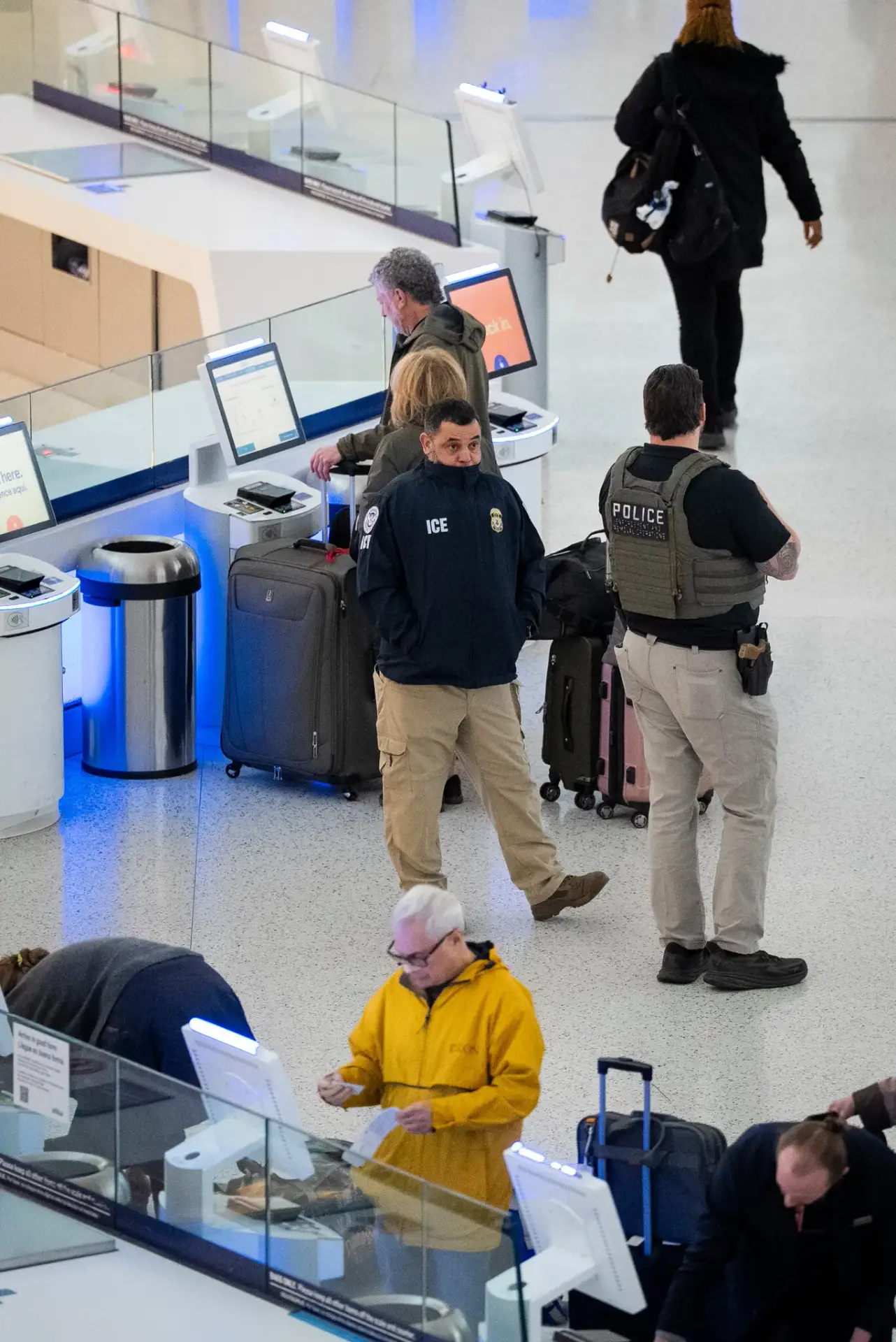
At the same time, the Department of Homeland Security is operating amid a partial government shutdown. Thousands of its employees are working without pay. Airport security lines have grown dangerously long as Transportation Security Administration staffing thins. To manage the backlog, President Trump deployed more than 100 immigration agents to airports on Monday. This stopgap measure speaks to the depth of the disruption, the Times reported.
The funding gap stems from a standoff between Democratic and Republican lawmakers over immigration enforcement restrictions. Democrats have refused to fully fund the department without new constraints on how agents can operate. Republicans have rejected those conditions. The result is a department in financial limbo, even as it sits on more than $170 billion in immigration enforcement funding approved by Congress last year — money that Mullin will now oversee distributing.
Who Mullin Is
Mullin brings an unusual background to a top federal law enforcement job. He is a member of the Cherokee Nation. He took over his family’s plumbing business at 20. He was a mixed martial arts fighter for a short time. He served a decade in the U.S. House and was sworn in as Oklahoma’s junior senator in 2023. He is known as a loyal ally to President Trump. This reputation led to his selection after Kristi Noem’s abrupt dismissal.
Noem’s tenure had been defined by a series of controversies that damaged the department’s image. The White House is betting that Mullin can stabilize the agency without abandoning the aggressive enforcement posture that has been central to Trump’s political brand.
At his confirmation hearing, Mullin signaled his approach might differ in tone, not substance. He told senators that immigration officers would generally avoid entering private homes without a judicial warrant. This was a sharp change from earlier practices criticized by legal advocates. He also showed interest in closer ties with local jails. This suggests a shift away from highly visible sweeps in Democratic-led areas.
Those comments generated cautious skepticism among people who spent the Biden years working in the same building Mullin now leads. “We’ll see whether that translates to immigration enforcement efforts focused on public safety and restoring order, not terrorizing communities,” Royce Murray, who served as an assistant secretary at DHS under President Biden, told the Times. “He’ll be at the mercy of the White House, which cheered on violent, camera-ready mass deportation efforts this past year.”
On the opposite side, some saw Mullin’s arrival as an opportunity. Jeremy Beck, a NumbersUSA co-president, noted the Minneapolis shootings cost the administration politically. “Public opinion dropped after Minnesota, so there’s work to do,” Beck said. “Still, there is strong public support for enforcement at the border and in the interior.” He also wants stronger workplace enforcement, arguing that illegal hiring and illegal immigration are connected.
That last point may test Mullin’s room to maneuver. The Times noted that President Trump has previously reversed immigration enforcement measures that threatened to conflict with his economic priorities — a dynamic that could constrain how aggressively a new secretary pursues policies that disrupt businesses dependent on immigrant labor.
What Comes Next
For immigrant communities, Mullin’s confirmation means a new face leading the agency. Hundreds of thousands of people from Haiti, Venezuela, El Salvador, and other nations are waiting for litigation outcomes affecting their legal status. Whether Mullin’s emphasis on warrants and jail partnerships becomes real change remains to be seen.
The department he now leads is large, short-term underfunded, and under scrutiny from both sides of a deeply polarized debate. His ability to navigate all of that simultaneously will define not only his tenure but the next phase of the Trump administration’s immigration legacy.