The Haitian transitional government, led by Prime Minister Alix Didier Fils-Aimé, announced on Wednesday a substantial increase in fuel prices at the pump, effective Thursday, April 2, 2026. This decision, justified by an unfavorable international situation and the need to preserve the country’s macroeconomic balances, comes alongside a series of “austerity measures” within the public administration.
Increases Ranging from 165 to 230 Gourdes
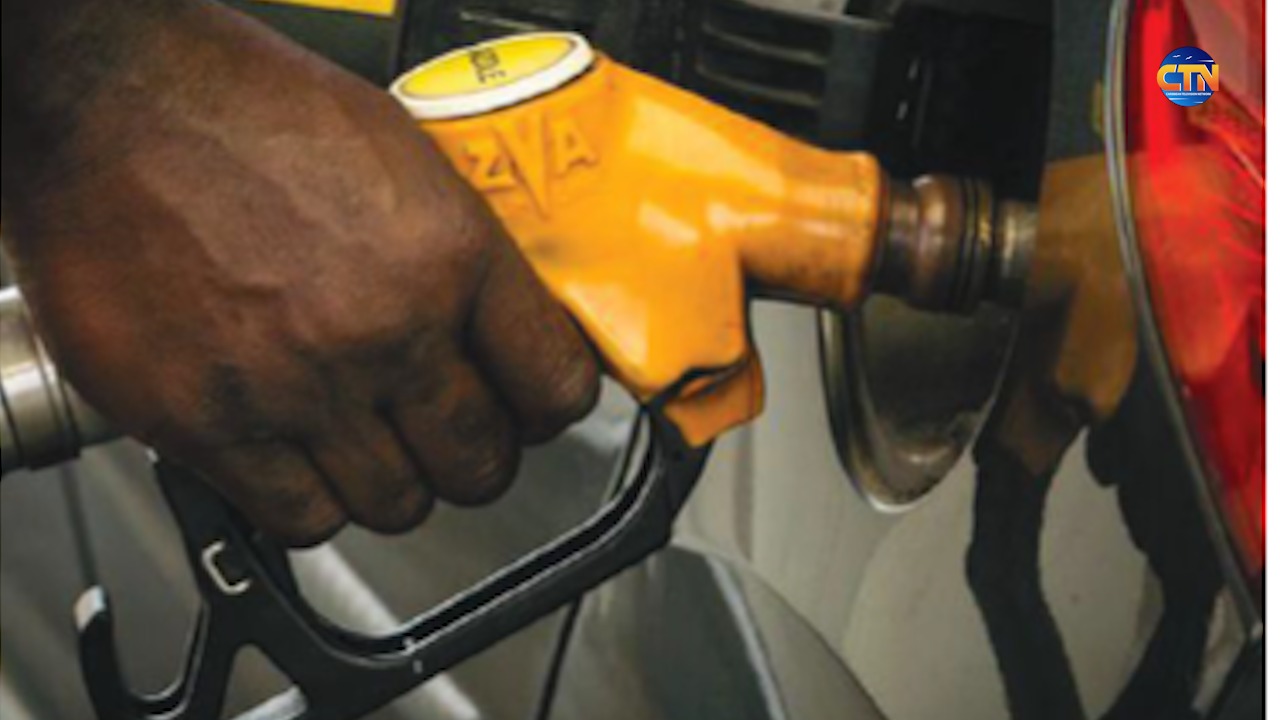
In a joint notice signed by the Minister of Economy and Finance, Serge Gabriel Colin, and the Minister of Commerce and Industry, James Monazard (represented by acting Minister Sandra Paulemon de la Planification), the new rates were made official. According to the notice, a gallon of gasoline now sells for 725 gourdes, up from 560 previously, an increase of 165 gourdes. Diesel rises from 620 to 850 gourdes, a hike of 230 gourdes, while kerosene climbs from 615 to 845 gourdes, an identical increase of 230 gourdes.
These revisions, which represent a relative increase of up to nearly 37% for diesel, come on the recommendation of the Advisory Council dated March 31. They apply across the entire national territory.
In an attempt to justify such a sharp increase amid a persistent economic crisis, the government highlights a mechanism of “shared sacrifices” between the State, importers, and distributors.
A source within the Ministry of Finance, cited by Le Nouvelliste, explained that industry stakeholders had made significant concessions to limit the impact on consumers. “In absolute terms, importers have frozen their margins, while distributors have agreed to reduce their margin from 7% to 5%. For its part, the government has agreed to forgo approximately 70% of its tax revenue on these products,” the source detailed.
The same source confirmed that this decision would inevitably widen the state’s budget deficit. “The budget deficit is increasing. It’s logical. We have less and less revenue, particularly on fuel. We are even paying certain amounts to oil companies as reimbursements for recent orders. This is to protect the supreme interests of the nation,” she explained.
Strict Austerity Measures Within the Administration
Just hours before the price hike was made official, the government had already established a strict framework to reduce its own spending. A circular (No. 017) addressed to all budget managers in the national public administration, signed by Prime Minister Alix Didier Fils-Aimé, imposes drastic restrictions.
Key provisions include a formal ban on the acquisition of new vehicles for public institutions, downward revisions to fuel expenditure credits, and strict limits on foreign travel, now reserved for missions deemed “essential” and subject to the Prime Minister’s prior approval. The circular also limits the security escort for public figures to a single vehicle.
In this document, Mr. Fils-Aimé cites an “international situation marked by the rapid rise in oil prices on the global market” and “risks of supply disruptions.” He emphasizes that the country’s energy dependence makes it particularly vulnerable to external fluctuations, threatening a “already fragile” macroeconomic balance. The stated objective is to “preserve the provision of basic social services to the population” and maintain the State’s capacity to intervene in security matters.
While the announcement of this increase, reminiscent of episodes of sometimes violent mobilizations related to fuel prices in the country’s recent history (notably in 2018), has caused a stir, the capital appeared to be holding its breath for the moment.
On Wednesday morning, voices were raised in some sectors to denounce the circumstances of this decision. However, no form of protest had been recorded. All eyes are now on the coming days, as the new prices officially take effect on Thursday.
This increase comes as the transitional government attempts to stabilize a political and security situation that remains precarious. The effectiveness of the announced austerity measures, coupled with the management of the social impact of the fuel hike on transportation costs and essential goods, will constitute the next major test for the Fils-Aimé administration.