

The European Union and its Member States are stepping up their commitment to the most vulnerable populations living along the Haitian-Dominican border.
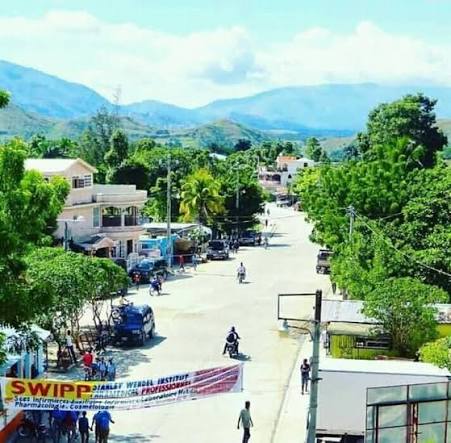
According to a press release, on the occasion of an official visit to Belladère, the resident ambassadors of Spain, France, and the European Union, accompanied by the National Authorizing Officer of the European Development Fund, the United Nations Resident Coordinator, and the ambassador of Brazil, launched several humanitarian and development projects aimed at improving the protection of migrants, internally displaced persons, and border communities.
This mission, the release continues, was organized with the support of the International Organization for Migration (IOM) and the Groupe d’appui aux rapatriés et réfugiés (GARR – Support Group for Returnees and Refugees). It illustrates the Europe Team’s determination to address the growing challenges facing the municipality of Belladère, which has become a critical hub for the reception of returnees and displaced persons.
The new programs benefit from nearly €3.55 million in European funding, of which €832,000 has been entrusted to GARR and €2.715 million to the IOM.

They aim to strengthen migrant protection, improve living conditions in border communities, and increase their resilience in the face of humanitarian crises.
These initiatives are part of the European Human Rights-Based Approach (HRBA), which places human dignity and protection at the core of humanitarian action.
During their visit, the diplomatic representatives met with the mayor of Belladère to discuss the main challenges facing the municipality.
They also spoke with health workers to assess the health situation in this border area, which is under particular strain due to the massive influx of returnees from the Dominican Republic.
The delegation then visited several facilities supported by humanitarian partners. These included the Border Resource Center, where exchanges were held with teams from Zanmi Lasante and Médecins Sans Frontières (MSF), the IOM reception center, a mobile clinic site rehabilitated by the organization, and the emergency shelter run by GARR.
The Brazilian ambassador also took part in this mission, reflecting the strengthening of cooperation between Brazil and the European Union in Haiti, particularly in the health sector.

European authorities stress that these interventions respond to a particularly concerning humanitarian situation in Belladère.
Health infrastructure is under unprecedented strain. The number of births recorded in the municipality has risen from 45 per month a year ago to over 210 currently, with a peak of 300 births in June 2025. At the same time, access to safe drinking water remains limited, and internally displaced persons continue to face major difficulties in accessing essential goods.
In addition to these new projects, France has provided an additional €2 million in funding to the IOM to strengthen reception and assistance mechanisms for returnees from the Dominican Republic.
European action also extends to the public health sector.
In a separate press release, the European Union also announced a new humanitarian contribution of €500,000 to support diphtheria prevention and treatment in Haiti.
The funds will be managed by the Pan American Health Organization (PAHO) to strengthen epidemiological surveillance, laboratory capacity, case screening, vaccination coverage, and patient care. This intervention will target the departments of Ouest, Sud-Est, Nord-Est, and Nord-Ouest.
Since the beginning of the year, the EU has mobilized €23 million to support its humanitarian partners in the country, the release concludes.
https://ctninfo.com/europe-team-laun…rder-communities/
https://www.facebook.com/CaribbeanNewsMedia
By Marie Farah Fortuné