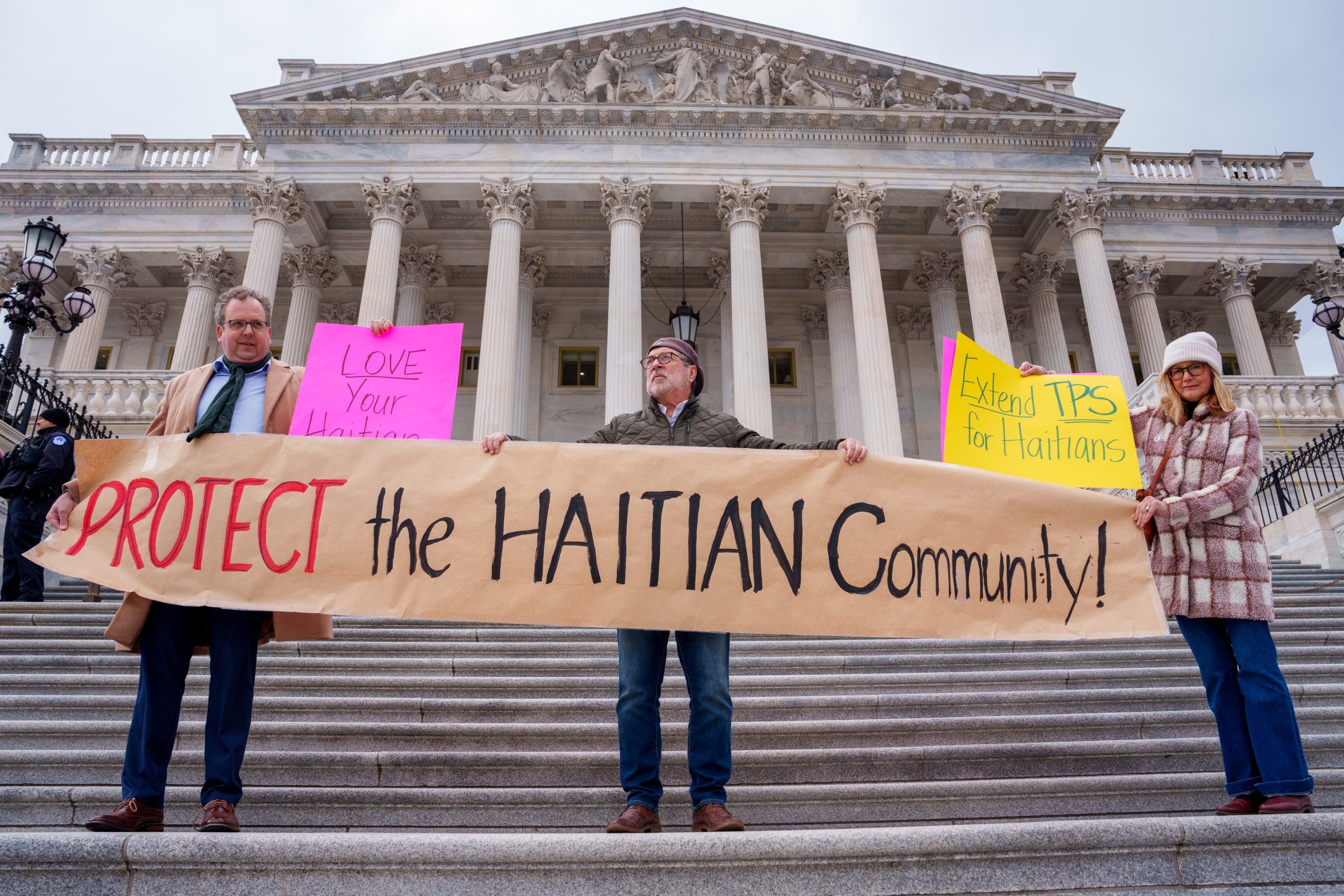


With TPS now terminated, South Florida agencies are cutting Haitian aides, severing ties to the elderly and disabled — including Holocaust survivors — who depended on them for daily care.
The end of Temporary Protected Status for Haitians is stripping thousands of Haitian caregivers of their jobs and their legal footing in the United States, and the loss is landing on the elderly and disabled people who leaned on them, including Holocaust survivors in South Florida.
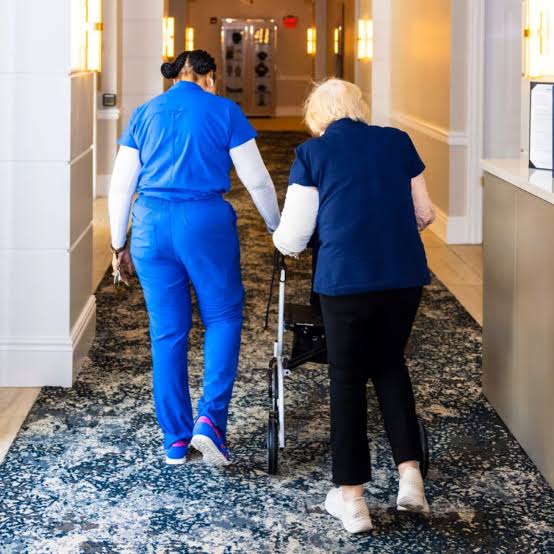
The clearest picture so far comes from Miami-Dade, where Jewish Community Services of South Florida terminated 18 Haitian home health aides after their work permits expired, according to the Associated Press. One of them had cared for Anna Fischbein, an 87-year-old Holocaust survivor in Sunny Isles, roughly once a week for about a decade. “I lost, not a lady working for me, I lost a friend,” Fischbein told the AP.
For the agency, the cuts fell on Haitian workers who staffed some of its most sensitive services. Miriam Singer, the agency’s president and CEO, wrote in a July 17 Miami Herald op-ed that Haitian caregivers with TPS provide in-home help — bathing, meals, medications, transportation — for hundreds of Holocaust survivors across Miami-Dade, and called the consequences “immediate, personal and heartbreaking.” Singer has framed the disruption as a fresh wound for people who already carry the deepest kind of loss, and for the Haitian workers who built years of trust with them.
The immediate trigger is a legal fight that has now run its course against the workers.
On June 25, the U.S. Supreme Court ruled 6-3 for the Trump administration, clearing the way to end TPS for about 350,000 Haitians and roughly 6,000 Syrians. The Department of Homeland Security terminated Haiti’s designation effective July 27, and U.S. Citizenship and Immigration Services now advises that the Haitian TPS work permits — Employment Authorization Documents in the A12 and C19 categories — are no longer valid. Then-Secretary Kristi Noem signed the termination in November 2025; the case is now carried under her successor, Secretary Markwayne Mullin. DHS has defended the move, saying Haiti’s status was tied to the 2010 earthquake and was “never intended to be a de facto asylum program.”
The scale of the caregiving exposure is large and national. PolitiFact Florida, citing Americans for Immigrant Justice, has reported that Haitian TPS holders include roughly 13,000 nursing assistants and another 8,000 caregivers serving some 12,000 children and older adults across the country. The sector was already thin: about one-third of home health aides are immigrants, according to the workforce nonprofit PHI, and providers say losing TPS workers forces heavier caseloads onto those who remain and makes replacements hard to find. Florida, with its large older population and heavy reliance on immigrant care workers, is among the most exposed states.
The fallout reaches well beyond one agency.
Catholic Health Services, which runs assisted-living and medical facilities across South Florida, has said 44 of its employees are TPS holders; its chief medical officer, Brian Kiedrowski, warned that patients “will feel the loss most.” A senior-care center in Boca Raton has said it expects to lose about 30 workers with TPS. Employers elsewhere have begun cutting Haitian staff out of fear of running afoul of the law, the AP reported, even as labor lawyers disputed the precise state of work authorization during the litigation. Some Haitian workers, facing the loss of status and possible removal — and, TIME reported, stepped-up ICE operations after the ruling — are now weighing whether to leave for Canada.
The concern has crossed party lines in South Florida, home to the nation’s largest Haitian diaspora. Miami-Dade Mayor Daniella Levine Cava and Archbishop Thomas Wenski have urged the administration to extend protections, and so have Republican members of Congress from the region. “TPS needs to be upheld,” Rep. Maria Elvira Salazar said, arguing that Haitian holders should be able to keep the jobs they have been filling.
The strain is not confined to Florida. Haitian immigrants anchor home-health and elder-care work in other diaspora centers as well, from New York to Greater Boston, and the same caregiver shortage that providers describe in Miami-Dade runs through the industry nationwide. What agencies keep repeating is that experience and trust cannot be rebuilt overnight — and that when a Haitian aide is pulled from a client’s home, it is often a relationship, not just a shift, that ends.
https://ctninfo.com/?p=44018&preview=true
https://www.facebook.com/CaribbeanNewsMedia
This article was originally written in English. Other language versions are produced using AI translation software, and errors are possible — the English version is authoritative. CTN also uses AI to convert text into audio.
Sources: the Associated Press
Sources: the Associated Press