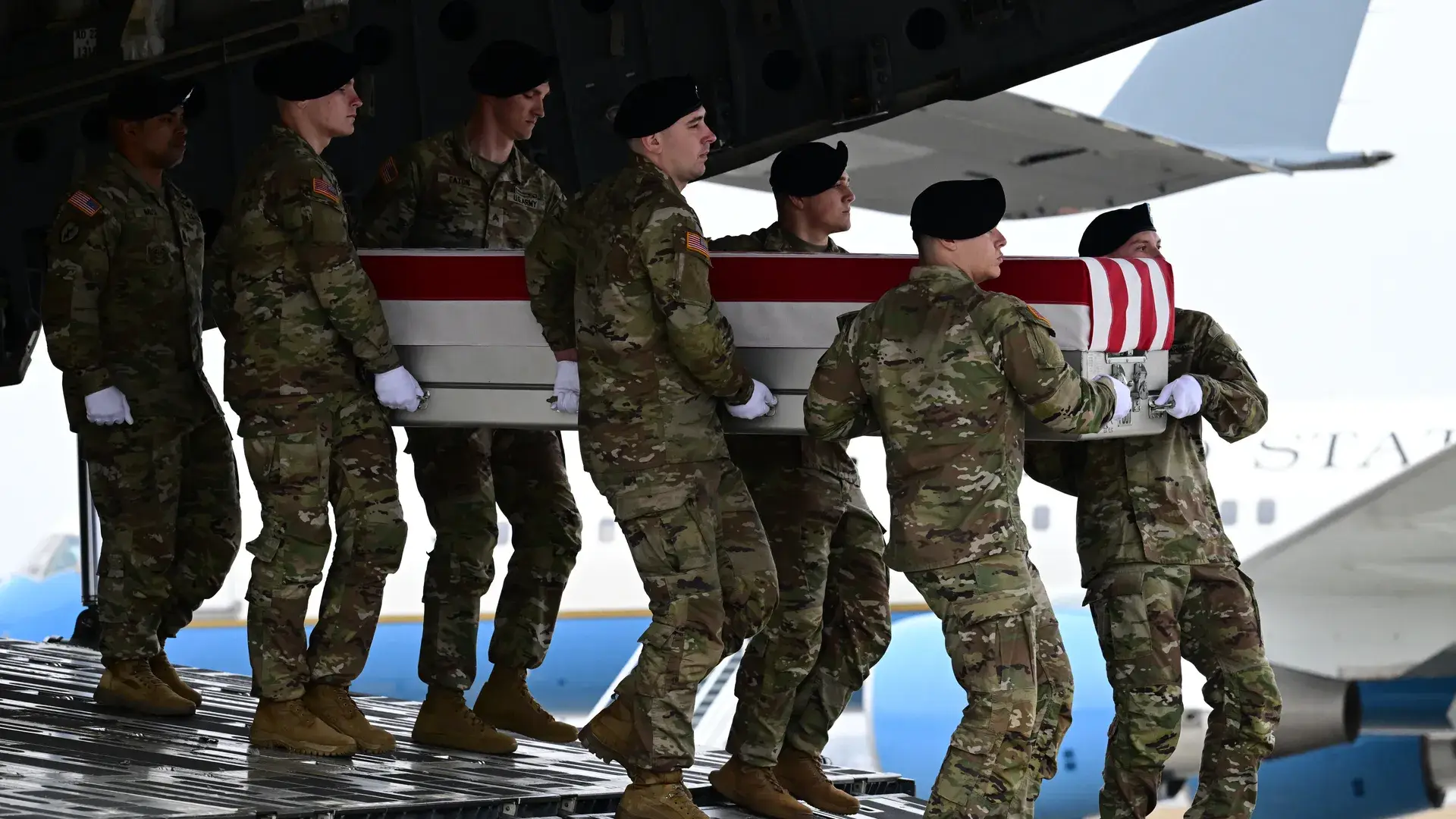


President Donald Trump is increasingly open to ending the U.S.-Iran conflict, Fox News reports, as rising American casualties and continued Iranian strikes heighten pressure on the administration.
The report indicates that mounting losses among U.S. service members and the persistence of Iranian counterattacks have created a new sense of urgency inside the administration. Amid these developments, while Trump has publicly emphasized military progress, recent statements suggest the White House may now be evaluating potential exit strategies.
How the Conflict Began
The war began after the U.S. and Israel launched coordinated strikes on Iranian military sites and command posts. Their stated goal was to weaken Iran’s military and neutralize what officials called regional threats from Iranian forces and allied militias.
A major early event was the reported killing of Iranian Supreme Leader Ali Khamenei. This strike sharply escalated tensions and led to immediate retaliatory attacks on U.S. bases and regional allies. Since then, Iranian forces and their allies have attacked American installations with missiles and drones. Naval confrontations have also grown more intense near the Persian Gulf.
Casualties and Financial Costs
U.S. officials have confirmed that dozens of American service members have been wounded since hostilities began, and several have been killed. Exact figures remain subject to official confirmation.
The financial toll has climbed rapidly. Government estimates put the cost of the first several days of operations at over $11 billion. This is due to the use of advanced weapons, sustained air operations, and the logistics of a large regional campaign. Lawmakers and analysts now question funding and congressional authorization.
The Strait of Hormuz and Global Energy Markets
Iran has tried to apply economic pressure by attacking shipping routes near the Strait of Hormuz. This area is a critical transit point for a large share of the world’s oil supply. Disruptions there have made global energy markets volatile. Analysts warn that ongoing instability could raise fuel prices and strain global supply chains. Some governments have discussed releasing oil reserves and boosting production to prevent shortages.
Civilian Deaths Draw International Scrutiny
The conflict has raised major controversy over civilian casualties. Reports say a U.S. strike hit an elementary school in Iran because of outdated intelligence. Early accounts suggest many civilians were killed. Iranian officials condemned the attack, and human rights groups want an independent probe into possible violations of war laws.
The Trump administration has not directly addressed the incident but has maintained that the campaign has successfully degraded Iranian military and missile capabilities.
Trump insists the United States has achieved real military goals. Still, he now says the conflict might end sooner than expected, if conditions allow for what he calls a favorable outcome.
Fox News says the administration is now open to an earlier end to the conflict. The report does not name any specific negotiation channels or detail the conditions for talks.
Iranian leaders say they will keep resisting what they call foreign aggression. Military officials in Tehran warn that further U.S. attacks could widen the conflict and draw in more regional actors.
Some governments and international groups have called for ceasefire negotiations. Neither side has publicly set the terms for talks.