

The Department of Homeland Security (DHS) has announced the rollout of a new tool for employers: the “E-Verify Status Change Report.” This regularly updated report is designed to notify businesses when an employee’s work authorization has been revoked.
This measure is part of the Trump administration’s broader crackdown on immigration, with President Donald Trump making immigration enforcement his central policy priority since returning to the White House.
The administration has already ended several temporary employment authorization programs introduced under President Biden, including certain forms of humanitarian parole and Temporary Protected Status (TPS) for nationals of crisis-stricken countries. While affected individuals have received official revocation notices, employers until now were often left in the dark.
“In this period of strict enforcement of federal immigration laws, employers must make I-9 compliance a top priority,” summarized law firm Foley & Lardner LLP in an analysis sent to its clients, as reported by The National Law Review.

Failing to monitor the new report could prove costly for businesses. According to DHS guidance, employers who do not regularly consult the “Status Change Report” or who delay action risk not only administrative fines for I-9 noncompliance but also harsher penalties for “knowingly employing unauthorized workers.”
In the most serious cases, if Immigration and Customs Enforcement (ICE) determines that a company acted with repeated negligence or willfully ignored the alerts, the matter could be referred to the Department of Justice for potential criminal prosecution.
For migrant rights advocates, this new policy increases pressure not only on workers but also on employers, who are now placed on the front lines of enforcement. Experts warn that the fear of losing jobs could push many immigrants — even those with valid status — to leave their positions out of fear of being targeted.
Employers, meanwhile, fear added administrative burdens and the risk of losing skilled labor in industries already facing shortages, such as agriculture, construction, logistics, and personal care services.
With the addition of the “Status Change Report,” DHS is sending a clear message: companies must now take a proactive approach in monitoring their employees’ immigration status. Otherwise, they face severe penalties.

The administration continues to stress its “Promises Made, Promises Kept” mantra, particularly on immigration.
The direction is clear: illegal border crossings are down, interior arrests are rising, and worksite inspections are intensifying. In the coming months, DHS plans to ramp up I-9 compliance audits, which are mandatory hiring documents in the United States. ICE is leading this enforcement push, supported by a new artificial intelligence tool intended to improve the efficiency of audits.
The new E-Verify report provides employers with key details:
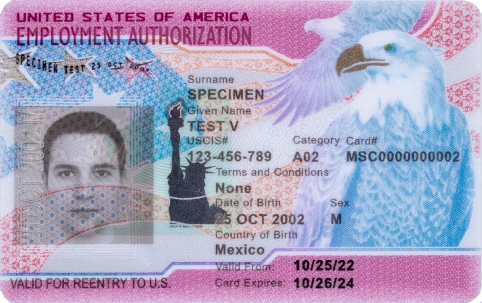
the number of the revoked Employment Authorization Document (EAD),
the revocation date,
the E-Verify case number,
and the alien registration number of the affected individual.
These data, accessible under the “Reports” tab on the E-Verify platform, are meant to help employers know when to begin the I-9 reverification process. “Employers must begin this reverification immediately after reviewing the report and complete it within a reasonable period of time,” DHS said.
When an employer is notified that a worker appears on the revoked list, the employer must promptly meet with the employee, explain that their work authorization has been invalidated, and request new valid documents from the official list of acceptable forms.
If the employee cannot provide proof of valid work authorization, the company is legally required to terminate the worker without delay. If the employee claims to have valid documents but does not have them immediately available, the employer may allow a few days to provide them. However, DHS stresses that such cases must not be allowed to “drag on,” in the current climate of strict enforcement.