


19 states and the District of Columbia currently allow undocumented immigrants to obtain driver’s licenses. This policy aims to improve road safety and facilitate access to employment and essential services.
Driver’s license access for individuals without legal status has long been a divisive issue in the United States.
Some states maintain strict restrictions, while others have adopted laws allowing residents to obtain a driver’s license regardless of immigration status.
This trend has accelerated over the past decade as more legislators recognize the public safety and economic benefits of allowing undocumented immigrants to drive legally.
States Authorizing Driver’s Licenses
The following states have adopted laws allowing undocumented immigrants to obtain a standard driver’s license or similar document:
California: One of the first states to adopt this policy on a large scale, California implemented the AB 60 program in 2015, allowing residents without legal status to obtain a driver’s license. Since its launch, more than one million licenses have been issued under this program.
Colorado: The state has authorized undocumented immigrants to obtain a driver’s license since 2014, recognizing the importance of this measure for road safety.
Connecticut: Connecticut enacted legislation in 2015 allowing residents without legal status to take the driving test and obtain a license.
Delaware: Delaware recently authorized this practice, expanding access to driver’s licenses.
Hawaii: The state allows undocumented immigrants to obtain a driver’s license, improving mobility where public transportation is limited.
Illinois: Since 2013, Illinois has issued Temporary Visitor Driver’s Licenses to residents without legal status.
Maryland: Maryland adopted its law in 2014, following a public referendum that supported the measure.
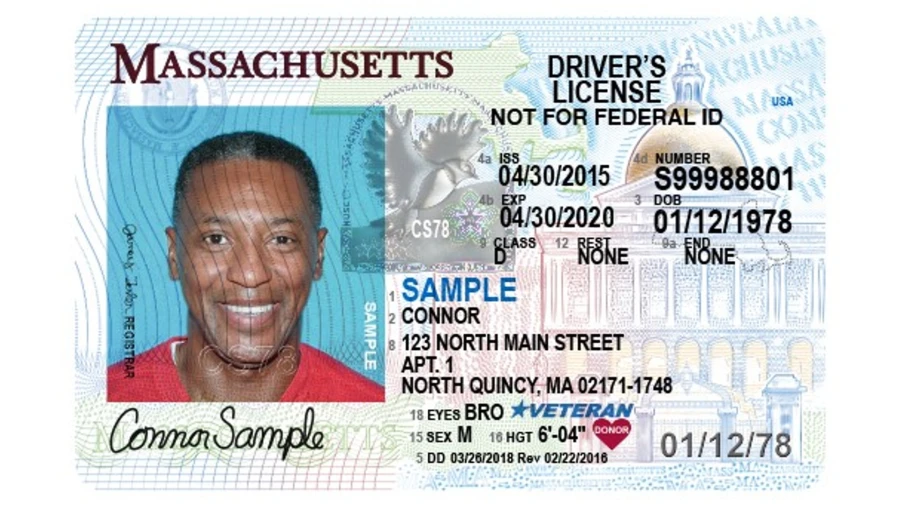
Massachusetts: Massachusetts recently began allowing undocumented immigrants to obtain a standard driver’s license.
Minnesota: The state has adopted legislation allowing residents without legal status to obtain driver’s licenses.
Nevada: Nevada has authorized this practice since 2014, citing its importance for the state’s economy, especially in tourism and hospitality.
New Jersey: New Jersey adopted its law in 2020, allowing undocumented residents to obtain a standard driver’s license.
New Mexico: New Mexico has authorized undocumented immigrants to obtain a driver’s license since 2003, making it one of the first states to do so.
New York: The state adopted the “Green Light” law in 2019, allowing undocumented immigrants to obtain a standard driver’s license.
Oregon: Oregon has issued “driving cards” to residents without legal status since 2014.
Rhode Island: The smallest U.S. state also allows undocumented immigrants to obtain a driver’s license.
Utah: Utah has issued “driving privilege cards” to undocumented immigrants since 2005.
Vermont: Vermont authorizes residents without legal status to obtain a driver’s license.
Virginia: Virginia recently enacted legislation allowing undocumented immigrants to obtain driver’s licenses.
Washington: Residents without legal status have been able to obtain a driver’s license since 2019.
District of Columbia: The District also allows undocumented immigrants to obtain a driver’s license.
Advocates present several arguments in support of driver’s license access for undocumented immigrants:
Road safety: Allowing drivers to pass a driving test and obtain auto insurance improves road safety. Studies in several states show a decrease in accidents involving uninsured drivers after these laws were adopted.
Economic benefits: Access to a driver’s license facilitates employment and enables undocumented immigrants to contribute more to the local economy. Many jobs, including those with rideshare and delivery platforms, require a valid driver’s license. Compliance: Driver’s license holders are more likely to obtain auto insurance and pay taxes and fees associated with vehicle ownership.
Law enforcement can more easily identify drivers and verify their backgrounds when presented with official identification.
Requirements and Procedures
Although requirements vary by state, most require applicants to:
- Prove their identity and state residence.
- Pass a written test on traffic laws.
- Pass a practical driving test.
- Provide proof of auto insurance.
- Pay the required license fees.
In some states, licenses issued to undocumented immigrants include a notation stating they cannot be used for federal identification purposes ( Real ID), such as boarding airplanes or accessing federal facilities.
Despite adoption in nearly twenty states, the debate remains contentious.
Opponents argue these measures reward illegal immigration and could facilitate identity fraud. They also express concern that these licenses could be used to illegally register voters, though states have safeguards in place to prevent it.
Other states are considering similar legislation, while some maintain strict requirements for proof of legal presence to obtain a driver’s license.
Impact on Immigrant Communities
For millions of undocumented immigrants, access to a driver’s license is more than a document. It is essential for daily life, enabling them to drive children to school, commute to work, access medical care, and participate in their communities.
Immigrant rights organizations view these laws as pragmatic measures that acknowledge the reality of millions of undocumented people and seek to integrate them into the social and economic fabric of their communities.
The trend toward expanding driver’s license access for undocumented immigrants reflects a growing recognition that road safety and economic integration benefit society as a whole, regardless of immigration status.