

A fresh international force might head to Haiti soon.
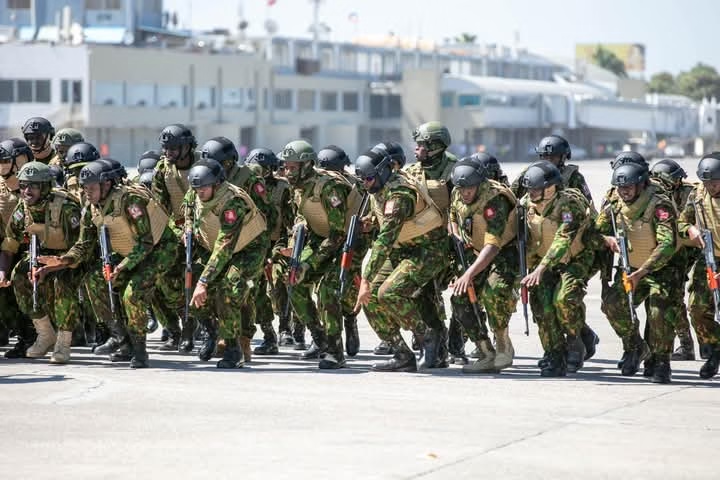
This new group, called the “Gang Suppression Force,” will include 5,500 troops and 50 civilians. It aims to take over from Kenya’s current multinational team.
Another country will lead this mission, but officials haven’t named the nation yet.
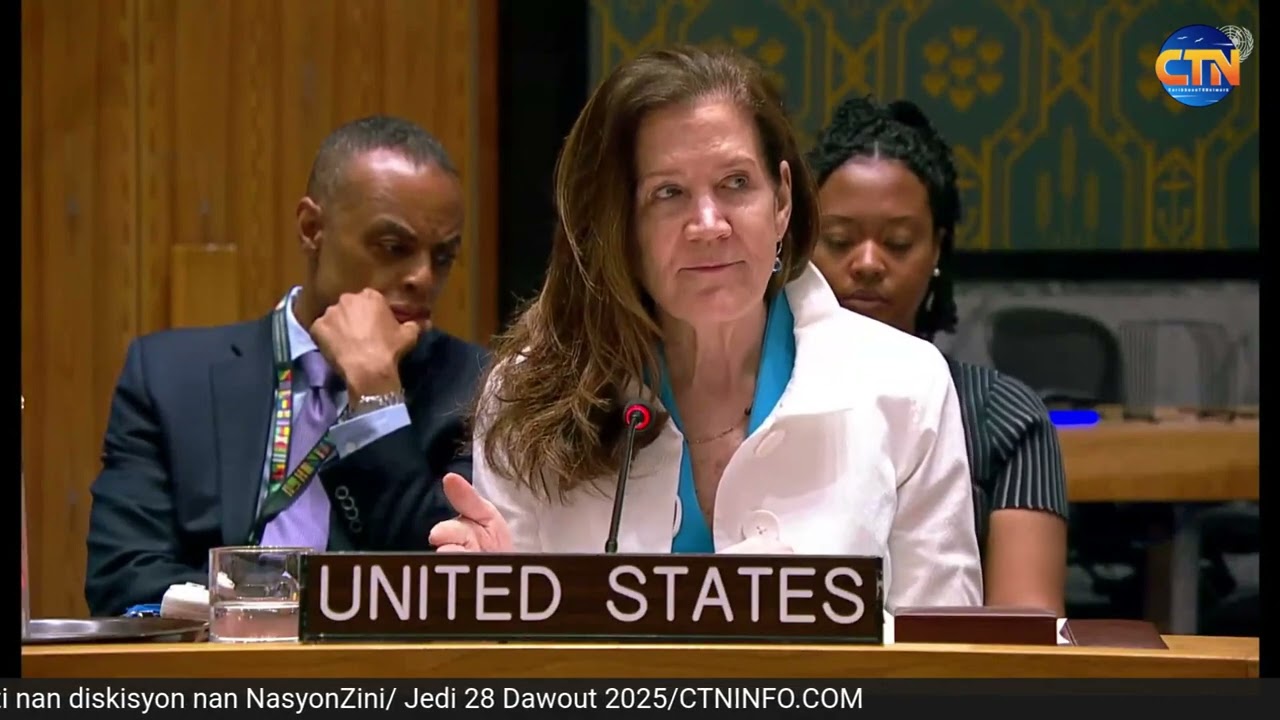
Last Friday, the U.S. and Panama brought this plan to the UN, as reported by Reuters and the Miami Herald. UN leader António Guterres first suggested this idea as Haiti’s safety got worse.

The news came right after Thursday’s Security Council meeting. There, famous Haitian artist Jean Jean Roosevelt made a moving speech. He asked world leaders to help Haiti fight its growing gang problem. Moreover, Guterres and other country representatives stressed the need to act fast.
Gangs now control most of Port-au-Prince. As a result, over 1.3 million people have fled their homes. This has made the humanitarian crisis even worse.
According to Reuters, the U.S. and Panama want to change Kenya’s police mission into this new force.
New Leadership Structure
The new plan includes a Permanent Group with the U.S., Canada, and other helping countries. This group will pick a commander and watch over the mission.
Furthermore, the UN will open an office in Port-au-Prince to help. The Organization of American States (OAS) will provide food, communication tools, and military gear.

These changes aim to fix the problems that slowed down the current mission.
Still, many questions remain. First, who will send the 5,500 troops? Also, like before, countries must volunteer money for this mission. This funding setup worries Haitian experts. They fear the mission might start late or fail without steady money.
Expert Opinions
Haitian specialists have doubts about this unclear plan. Ricardo Germain, a security expert, told Reuters that Kenya’s problems might scare away other countries from leading.
Additionally, James Boyard from Haiti’s State University shared concerns with Reuters. He says the plan doesn’t explain how the force will work with local police. Also, he’s angry that Haiti can’t join the Permanent Group, saying this hurts the country’s independence.
The success of this mission depends on several factors. First, countries must step up with troops and money. Second, leaders must address local concerns about sovereignty. Finally, they need a clear plan to work with Haitian forces.
While the new force offers hope, it faces many hurdles
The international community must carefully consider these challenges to help Haiti effectively.
“This plan threatens our democracy with foreign control,” Boyard warned. He also called for an independent watchdog to check how foreign troops behave.
Meanwhile, gangs still run most of Port-au-Prince. As a result, thousands have died, many have fled, and food is scarce.
Earlier in 2024, Haiti’s leaders hired a private military group linked to Erik Prince. Now, this company uses armed drones to attack gang areas and wants to do more.
However, there’s a new development. Gang boss Jimmy “Barbecue” Chérizier recently said his fighters would leave some parts of the capital. Through social media, he told people they could come back home.
Yet Boyard sees this differently.
He thinks it’s a clever move to restart the local economy, making it easier for gangs to collect money and hide from drone attacks. In Delmas 30, people came back with just a few things, finding their homes destroyed and cars burned.
The current international mission ends October 2. Therefore, the Security Council must soon decide on this new plan. However, big issues remain unsolved, like who will pay for it, how it will work with Haiti’s police, and how it will respect Haiti’s rights.
https://ctninfo.com/?p=36525&preview=true
Source: Reuters.