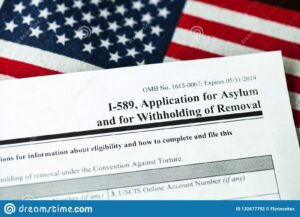



After targeting TPS, Biden-era humanitarian programs, and other immigration rules, the Trump administration now focuses on asylum seekers. It proposes a regulation to restrict work authorization for people with pending asylum applications. If adopted, it will make it much harder for asylum seekers to get work permits.
The Department of Homeland Security (DHS) has proposed a rule that would sharply restrict work permits for asylum seekers in the United States. If finalized, it would change the filing and eligibility requirements for work authorization for those with pending asylum applications.
Currently, asylum seekers can apply for an Employment Authorization Document (EAD) after a waiting period. This document allows them to work legally while their case is processed. Immigration courts face a huge backlog of cases, with proceedings often taking years. Many asylum seekers work legally in the United States for long periods while waiting for a hearing. This is the mechanism the Trump administration has proposed to change.
A DHS spokesperson made the administration’s position clear: “For too long, a fraudulent asylum claim has been an easy path to working in the United States. This has overwhelmed our immigration system with meritless applications. We are proposing an overhaul of the asylum system to enforce the rules and reduce the backlog we inherited from the prior administration.”
The spokesperson added, “Aliens are not entitled to work while we process their asylum applications. The Trump administration is strengthening the vetting of asylum applicants and restoring integrity to the asylum and work authorization processes.”
This statement marks a major policy shift. Under current law, asylum seekers can apply for work authorization after a waiting period. The administration now treats this as a loophole to be closed rather than a right.
1.4 Million Pending Cases
DHS figures show the scale of the backlog. USCIS now faces over 1.4 million pending affirmative asylum claims, a number DHS compares to New Hampshire’s population. The administration says nearly every illegal alien tries to exploit the system by applying for asylum. Employment authorization requests tied to pending asylum cases are at historic highs, straining USCIS resources.
The proposed rule explicitly invokes Presidential Executive Order 14159, titled “Protecting the American People Against Invasion” — the same executive order that plaintiffs in the case of Miot v. Trump identify as the directive ordering Secretary Noem to terminate all TPS designations.
For the Haitian community in the United States, this proposed rule is part of a policy strategy affecting the main sources of work authorization for Haitian immigrants.
The first prong is the move to end Haitian TPS, currently blocked by Judge Ana C. Reyes’s order in Miot v. Trump. If successful, about 350,000 Haitian TPS beneficiaries would lose work authorization.
The second aspect is this proposed rule. Haitians who entered the U.S. through the Biden administration’s humanitarian parole program or who arrived via other channels and filed asylum claims could lose their legal work authorization while their cases are reviewed. Without a permit, they would have no legal means to support themselves or their families.
The combination of both measures could mean a Haitian immigrant loses work authorization under TPS, files asylum as a fallback, and is then denied a work permit through that process as well. This creates a legal impossibility of working, no matter the path pursued.
The Concrete Consequences
People who lose the ability to work legally may enter exploitative or informal labor situations, lose housing, experience difficulties meeting basic needs, and become more vulnerable to instability.
This echoes Judge Reyes’s finding in her February 2 decision that the loss of work authorization results in immediate job and health insurance loss, which can’t be retroactively remedied. USCIS also issued guidance on February 14, instructing employers to treat Haitian TPS work approvals as expiring March 15, 2026—a temporary date pending litigation.
A Proposed Rule, Not Yet Final
It is important to not emphasize that this text discusses a proposed regulation, not a final rule. Once published in the Federal Register, a 60-day public comment period begins. Anyone — advocacy organizations, law firms, or members of the public — may submit comments supporting or opposing the rule. If the rule is finalized, legal challenges are likely.
For Haitian TPS beneficiaries and Haitian asylum seekers, this comment period offers a real chance for action. Community organizations and immigration attorneys urge affected people to participate in the comment process and consult an attorney about their situation.
The proposed rule and the 60-day public comment period begin on the date of publication in the Federal Register.