


Hungarian Prime Minister Viktor Orbán was defeated on Sunday, despite strong support from President Donald Trump, who sent Vice President JD Vance to Budapest to campaign for Orbán just five days before the vote. Secretary of State Marco Rubio visited in February to reinforce Trump’s commitment. However, the unprecedented American intervention could not overcome deep domestic dissatisfaction, resulting in a landslide victory for opposition leader Péter Magyar and his Tisza party, according to the New York Times.
Hungarian Prime Minister Viktor Orbán conceded defeat after his Fidesz party suffered a decisive loss to Péter Magyar’s Tisza party, ending 16 years of his influential rule—a result that marks a dramatic shift in Hungarian and European politics.
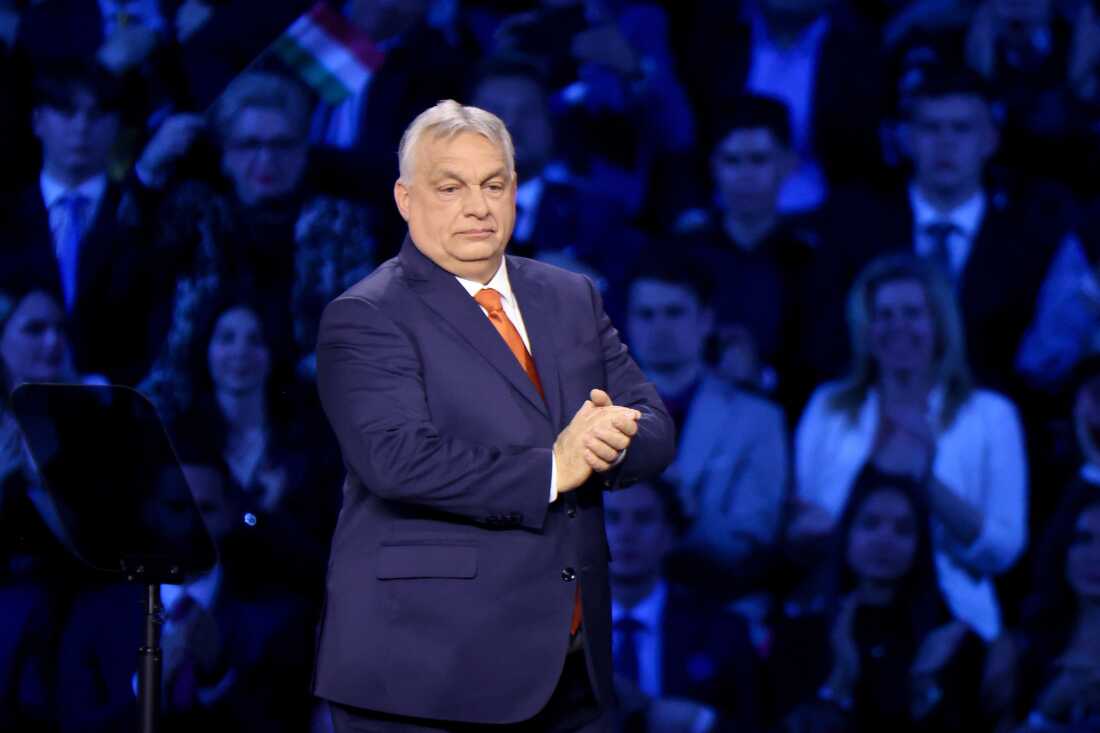
Orbán, 62, who had sought a fifth consecutive term, addressed supporters in Budapest after partial results showed his party trailing badly. He described the outcome as “painful” but “clear.”
“I congratulated the victorious party,” Orbán told the crowd. “We are going to serve the Hungarian nation and our homeland from opposition as well.”
Magyar confirmed the concession on social media, writing that Orbán had called him personally. “Prime Minister Viktor Orbán just congratulated me on the phone on our victory,” Magyar posted on Facebook. He followed with a two-word message on X: “Thank you, Hungary!”
Orbán, 62, who had sought a fifth consecutive term, addressed supporters in Budapest after partial results showed his party trailing badly. He described the outcome as “painful” but “clear.”
“I congratulated the victorious party,” Orbán told the crowd. “We are going to serve the Hungarian nation and our homeland from opposition as well.”
Magyar confirmed the concession on social media, writing that Orbán had called him personally. “Prime Minister Viktor Orbán just congratulated me on the phone on our victory,” Magyar posted on Facebook. He followed with a two-word message on X: “Thank you, Hungary!”
A Historic Margin
With approximately 53 percent of precincts reporting on Sunday evening, Magyar’s Tisza party held roughly 52 percent of the vote compared to approximately 39 percent for Fidesz, according to Hungary’s National Election Office. Early projections from Hungarian pollsters Median and 21 Research Center suggested Tisza could win between 132 and 135 seats in the 199-member parliament — potentially approaching or reaching the two-thirds supermajority of 133 seats required to amend Hungary’s constitution.
Voter turnout was staggering. By 6:30 p.m. local time, more than 77 percent of eligible voters had cast ballots — a record for any election in Hungary’s post-Communist history. Magyar told supporters he estimated that as many as six million Hungarians voted in a country of just over nine million people.
Thousands of Tisza supporters gathered along the banks of the Danube River in Budapest as the results came in, waving Hungarian flags and celebrating into the night.
Voter turnout was staggering. By 6:30 p.m. local time, more than 77 percent of eligible voters had cast ballots — a record for any election in Hungary’s post-Communist history. Magyar told supporters he estimated that as many as six million Hungarians voted in a country of just over nine million people.
Thousands of Tisza supporters gathered along the banks of the Danube River in Budapest as the results came in, waving Hungarian flags and celebrating into the night.
The Fall of a Populist Icon
Orbán had been in power since 2010, winning four consecutive elections as he methodically consolidated control over Hungary’s judiciary, public institutions, and media. He championed a model he openly called “illiberal democracy” — one that drew admiration from far-right movements worldwide, from the MAGA movement in the United States to nationalist parties across Europe.
His relationships with Donald Trump and Vladimir Putin positioned him between Western populism and Eastern authoritarianism. EU lawmakers and watchdogs had questioned Hungary’s democratic status under his leadership.
But at home, Orbán’s foundation was weakening. Economic stagnation, rising costs, and frustration with corruption eroded support. His campaign leaned on fear, warning Magyar would drag Hungary into Russia’s war on Ukraine—claims Magyar firmly denied. Ultimately, these dynamics fueled voters’ desire for change, central to the election’s outcome.
Magyar, casting his own ballot on Sunday, framed the choice differently. “This is a choice between East or West, propaganda or honest public discourse, corruption or clean public life,” he told reporters.
His relationships with Donald Trump and Vladimir Putin positioned him between Western populism and Eastern authoritarianism. EU lawmakers and watchdogs had questioned Hungary’s democratic status under his leadership.
But at home, Orbán’s foundation was weakening. Economic stagnation, rising costs, and frustration with corruption eroded support. His campaign leaned on fear, warning Magyar would drag Hungary into Russia’s war on Ukraine—claims Magyar firmly denied. Ultimately, these dynamics fueled voters’ desire for change, central to the election’s outcome.
Magyar, casting his own ballot on Sunday, framed the choice differently. “This is a choice between East or West, propaganda or honest public discourse, corruption or clean public life,” he told reporters.
The Unlikely Challenger
Péter Magyar’s political rise has been remarkably swift. A lawyer by profession, Magyar is a former director at a state investment agency and was previously an adviser within Orbán’s own Fidesz party. Magyar broke publicly with the ruling establishment in early 2024, following a presidential pardoning scandal in which Hungary’s then-President Katalin Novák pardoned a man convicted of covering up child sexual abuse — a decision that also implicated Magyar’s ex-wife, former Justice Minister Judit Varga, who had signed off on the pardon.
Magyar channeled the resulting public outrage into a political movement. He took over the previously obscure Tisza party, rebranded it as a centrist, pro-European force, and spent the next two years barnstorming the country, holding rallies in communities large and small. His message — anti-corruption, pro-EU, and deliberately positioned as neither traditional left nor right — resonated with Hungarians who had grown disillusioned with both Fidesz and the fragmented opposition parties that had failed to mount a credible challenge for over a decade.
In the June 2024 European Parliament elections, Tisza emerged as the dominant opposition force, signaling the shift that would culminate in Sunday’s result.
European Reaction
European leaders reacted swiftly to the outcome. European Commission President Ursula von der Leyen wrote on X that “Europe’s heart is beating stronger” in Hungary, adding: “A country reclaims its European path, the union grows stronger.”
French President Emmanuel Macron said France welcomed Magyar’s victory, describing it as evidence of the Hungarian people’s attachment to EU values.
Magyar channeled the resulting public outrage into a political movement. He took over the previously obscure Tisza party, rebranded it as a centrist, pro-European force, and spent the next two years barnstorming the country, holding rallies in communities large and small. His message — anti-corruption, pro-EU, and deliberately positioned as neither traditional left nor right — resonated with Hungarians who had grown disillusioned with both Fidesz and the fragmented opposition parties that had failed to mount a credible challenge for over a decade.
In the June 2024 European Parliament elections, Tisza emerged as the dominant opposition force, signaling the shift that would culminate in Sunday’s result.
European Reaction
European leaders reacted swiftly to the outcome. European Commission President Ursula von der Leyen wrote on X that “Europe’s heart is beating stronger” in Hungary, adding: “A country reclaims its European path, the union grows stronger.”
French President Emmanuel Macron said France welcomed Magyar’s victory, describing it as evidence of the Hungarian people’s attachment to EU values.
What Comes Next
If Tisza secures a supermajority, Magyar would be able to reverse changes Orbán implemented over 16 years—from judicial appointments to media and electoral rules that critics say were meant to entrench Fidesz.
Magyar has pledged to rein in corruption, restore judicial independence, and realign Hungary more closely with the European Union. However, analysts have cautioned that the sheer scale of a potential supermajority carries its own risks, as it would leave Tisza largely unchecked by opposition forces in parliament.
For Orbán, the loss marks the end of an era that reshaped Hungary and European populism. As he moves to the opposition, this record-breaking election signals that Hungarians, in unprecedented numbers, were ready to reject populist dominance in favor of a new direction under Magyar.
Magyar has pledged to rein in corruption, restore judicial independence, and realign Hungary more closely with the European Union. However, analysts have cautioned that the sheer scale of a potential supermajority carries its own risks, as it would leave Tisza largely unchecked by opposition forces in parliament.
For Orbán, the loss marks the end of an era that reshaped Hungary and European populism. As he moves to the opposition, this record-breaking election signals that Hungarians, in unprecedented numbers, were ready to reject populist dominance in favor of a new direction under Magyar.
Sources: Al Jazeera, Associated Press (via PBS NewsHour), Bloomberg, CBC News, New York Times.