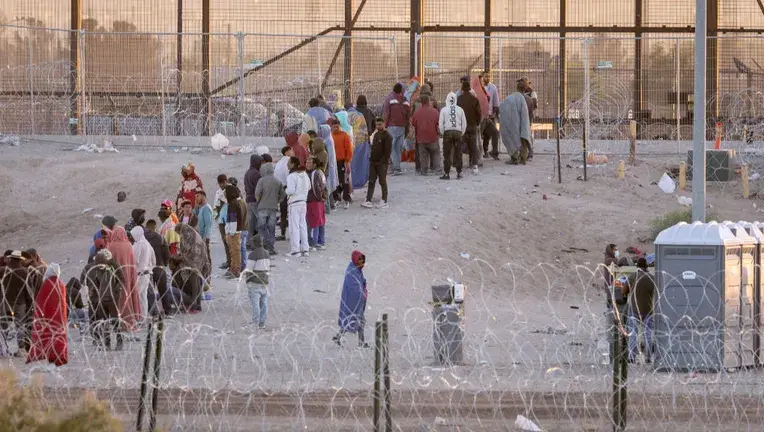


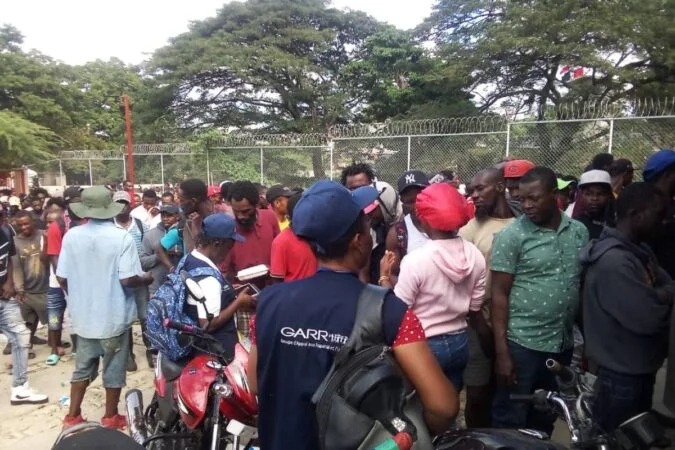
The migration crisis between Haiti and the Dominican Republic continues to worsen in a context already marked by insecurity and economic collapse. According to a report by the Support Group for Returnees and Refugees (GARR), no fewer than 22,793 people were repatriated at the Haitian-Dominican border between February 1 and February 28, 2026.
Added to these figures are 20,079 spontaneous returns and 7,952 pushbacks, illustrating the scale of migratory movements in both directions. Over the entire month, 22,966 cases of deportation were recorded.
Among those deported are many particularly vulnerable individuals. The GARR lists:
103 pregnant women deported, compared to 38 in spontaneous return and 35 pushed back; 254 breastfeeding women deported, 83 in spontaneous return, and 42 pushed back; 119 people living with disabilities deported, and 26 pushed back; 57 unaccompanied minors deported, 52 in spontaneous return, and 3 pushed back
The report highlights repeated human rights violations during deportation operations from the Dominican Republic. Testimonies collected report brutal practices: pregnant and breastfeeding women hunted down even in maternity wards, expulsions without respect for procedures, cases of extortion and mistreatment during the journey to the border.
Some breastfeeding women claim they were forcibly expelled from their hospital beds, then detained with their infants before being sent back to Haiti. These practices reportedly take place outside the framework of the official repatriation protocol between the two countries.
In a statement issued on February 6, 2026, the Inter-American Court of Human Rights (IACHR) expressed serious concern over the degrading treatment inflicted on Haitian migrants.
These deportations come as the situation in Haiti remains extremely fragile. The economy continues to deteriorate, while gang-related violence is causing massive internal displacement. Many citizens, forced to flee their homes, find themselves homeless, worsening an already acute humanitarian crisis.
At the beginning of the year, concerns over the Temporary Protected Status (TPS) for Haitians in the United States intensified migratory pressure. However, the decision by the U.S. judiciary to maintain this program offered a reprieve to thousands of Haitian nationals living on U.S. soil, according to GARR. Without this decision, deportation numbers could have been even higher, GARR adds.
A limited humanitarian response
Faced with the influx of migrants, reception facilities remain under pressure. At the Belladère reception center, 506 repatriated people were assisted between February 1 and February 28, 2026, including 89 women, 41 girls, 47 boys, and 329 men. Among them were: 6 pregnant women, 18 breastfeeding women, 8 people with disabilities, 5 unaccompanied minors, including 2 girls.
These figures remain low compared to the total volume of people returned, highlighting the limits of reception capacities, the report notes.
Consequently, GARR calls for a more humane treatment of Haitian migrants and urges Dominican authorities to respect the fundamental rights of those expelled. The organization also calls on the Haitian state to strengthen internal stability in order to better welcome the thousands of citizens sent back each month.