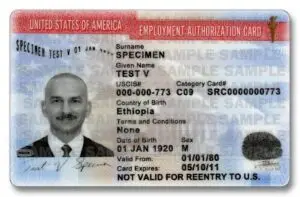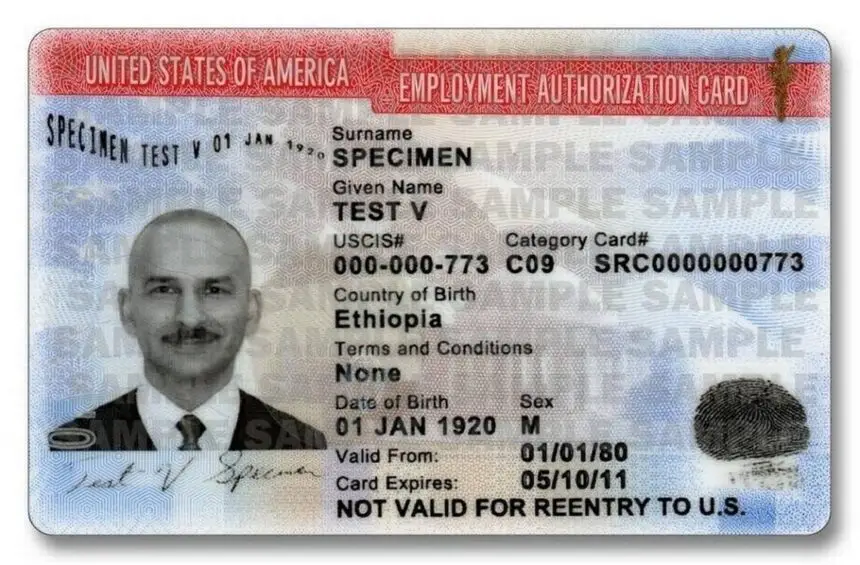
The Department of Homeland Security (DHS) has confirmed the extension of Employment Authorization Documents (EADs) for Haitian Temporary Protected Status (TPS) beneficiaries, following a federal court decision.
According to the official DHS notice, this extension is being applied in accordance with the order of the U.S. District Court for the District of Columbia in the case Miot et al. v. Trump et al., No. 25-cv-02471-ACR (D.D.C.), which stayed the Trump administration’s revocation of TPS for Haiti.
The measure applies to employment authorization cards issued under Haiti’s TPS designation bearing one of the following expiration dates:
- February 3, 2026
- August 3, 2025
- August 3, 2024
- June 30, 2024
- February 3, 2023
- December 31, 2022
- October 4, 2021
- January 4, 2021
- January 2, 2020
- July 22, 2019
- January 22, 2018
- July 22, 2017
The DHS specifies that these documents remain valid as long as the court order remains in effect, even if the expiration date printed on the card has passed.
Consequences for Employers and Workers
This publication constitutes a formal administrative acknowledgment of Judge Reyes’s decision by the Trump administration, despite the department’s stated opposition and announcement of a judicial appeal.
In practice, Haitian TPS beneficiaries can continue using their current EADs for employment verification and to meet the requirements for federal Form I-9. Employers must accept these extended documents and may not require a new work permit while the court’s order is in effect. This ensures continued work authorization for both parties.
This extension allows beneficiaries to remain employed and, in most states, to renew their driver’s licenses at the DMV, since these agencies generally follow federal rules regarding immigration status and work authorization. This helps workers maintain both their jobs and driving privileges.
Many Haitian nationals had seen their driver’s licenses expire on February 3, the date initially scheduled for the end of TPS, before the court intervened.
Over 350,000 Haitian TPS beneficiaries in the U.S. are directly impacted, working important jobs in health care, home care, transportation, hospitality, and construction. The extension helps ensure workforce stability in these essential sectors and supports key economic functions.
Massachusetts, which has more than 45,000 Haitian TPS beneficiaries, is among the states that quickly informed employers that their Haitian employees remained legally authorized to work following Judge Reyes’s decision.
Despite administrative clarifications, the future of TPS for Haiti remains uncertain as the Trump administration intends to appeal the court decision, possibly to the Supreme Court.
For now, the court-ordered stay gives temporary relief, but does not secure a long-term solution for Haitian TPS beneficiaries.