


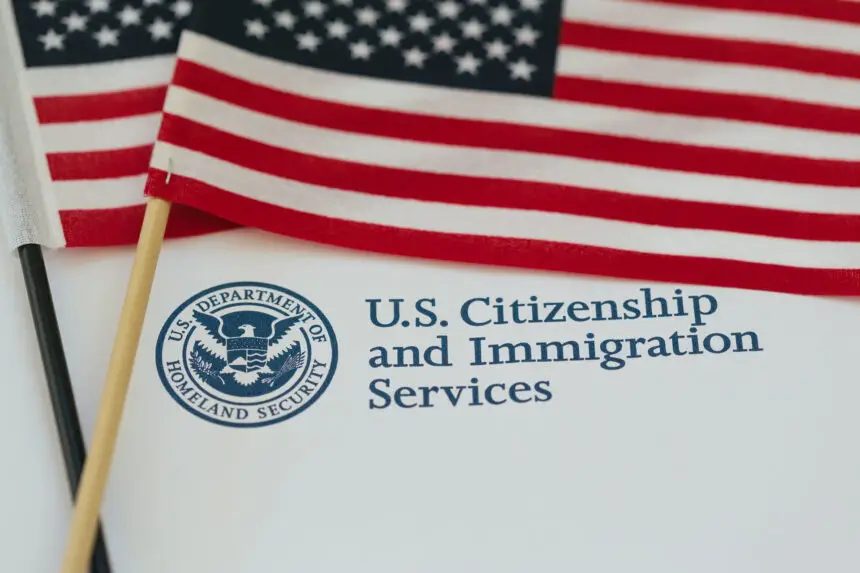
Immigrants from Haiti, Venezuela, and several other countries were pulled from a naturalization ceremony at the last minute as they prepared to take the oath of allegiance and become U.S. citizens.
The incident occurred on Thursday at historic Faneuil Hall in Boston, where several hundred candidates had gathered for what was meant to be a celebratory milestone.
Massachusetts Senator Elizabeth Warren denounced the practice, alleging that federal officials asked participants, “What country are you from?” before removing certain candidates solely on the basis of their country of birth.
“Instead of being allowed to take the oath and become citizens, some were turned away simply because of where they were born. This is outrageous and un-American. It must stop,” Warren said, according to Fall River Reporter.
A Distressing Testimony
One Haitian woman, who had received a late notice indicating her ceremony had been postponed, attended anyway after months of preparation.
According to her testimony reported by WGBH and cited by Fall River Reporter, officials stopped and removed her after she answered questions about her country of origin. She described officials pulling her out of line without any clear explanation. This occurred at the very moment she was about to be sworn in.
Other candidates from Eritrea, Venezuela, and Ethiopia reported similar treatment. Some broke down in tears; others unsuccessfully tried to obtain clarification.
Gail Breslow, director of Project Citizenship, told WGBH that she saw “scenes of deep distress,” with candidates unable to understand why officials suddenly interrupted their naturalization.
Representatives of immigrant advocacy groups at the ceremony called the process “arbitrary and brutal.” They raised significant legal concerns, including violations of equal protection, the legality of withdrawing approval at the final stage, and compliance with administrative law.
A New Screening Policy
The Trump administration recently established a list of 19 countries deemed “high risk.”
The list includes Haiti, Venezuela, several African nations, and several countries in the Middle East and Asia.
Nationals of these countries now undergo additional vetting—even at the final step of the naturalization process.
According to immigrant rights groups, applying this scrutiny at the moment of the ceremony is a major departure from long-standing USCIS practice. The oath ceremony traditionally serves as a formal confirmation, not an additional screening phase.
All the candidates who were removed had already met all legal requirements. Their sudden exclusion, based solely on national origin, raises important legal questions.
Legal and Political Ramifications
Experts consulted by WGBH say the policy could lead to class-action lawsuits, complaints of national-origin discrimination, or even congressional hearings.
USCIS has not yet released the detailed criteria for designating countries as “high risk,” nor has it explained why the policy is being enforced at the oath ceremony itself.
The incident has caused significant outrage within the Haitian and Latin American communities of Massachusetts. People in Boston, Cambridge, Brockton, and Randolph view the move as an extension of the Trump administration’s wider restrictive immigration agenda. Removal of candidates during an official ceremony has also heightened administrative anxiety among legal residents who have meticulously followed the naturalization process.
Senator Warren has pledged to seek accountability and demand that the policy be immediately suspended.
So far, USCIS has not explained why it applies these criteria at the final stage of the naturalization process or clarified what recourse, if any, those affected have. The Faneuil Hall incident demonstrates a profound shift in U.S. immigration policy and raises fundamental questions about the principle of equal treatment at the core of the citizenship process. For those affected, authorities turned a long-awaited moment of achievement into a sudden and painful exclusion based solely on country of birth.