

An estimated 150 to 200 people marched through Salisbury, Maryland, on Wednesday in a demonstration organized to stand with the city’s Haitian community and to demand an end to the immigration arrests and deportations that have followed the termination of Temporary Protected Status.
Local reports monitoring the event said marchers moved along Route 50 near the city’s courthouses and government offices, backing up traffic, according to Eastern Shore Undercover.
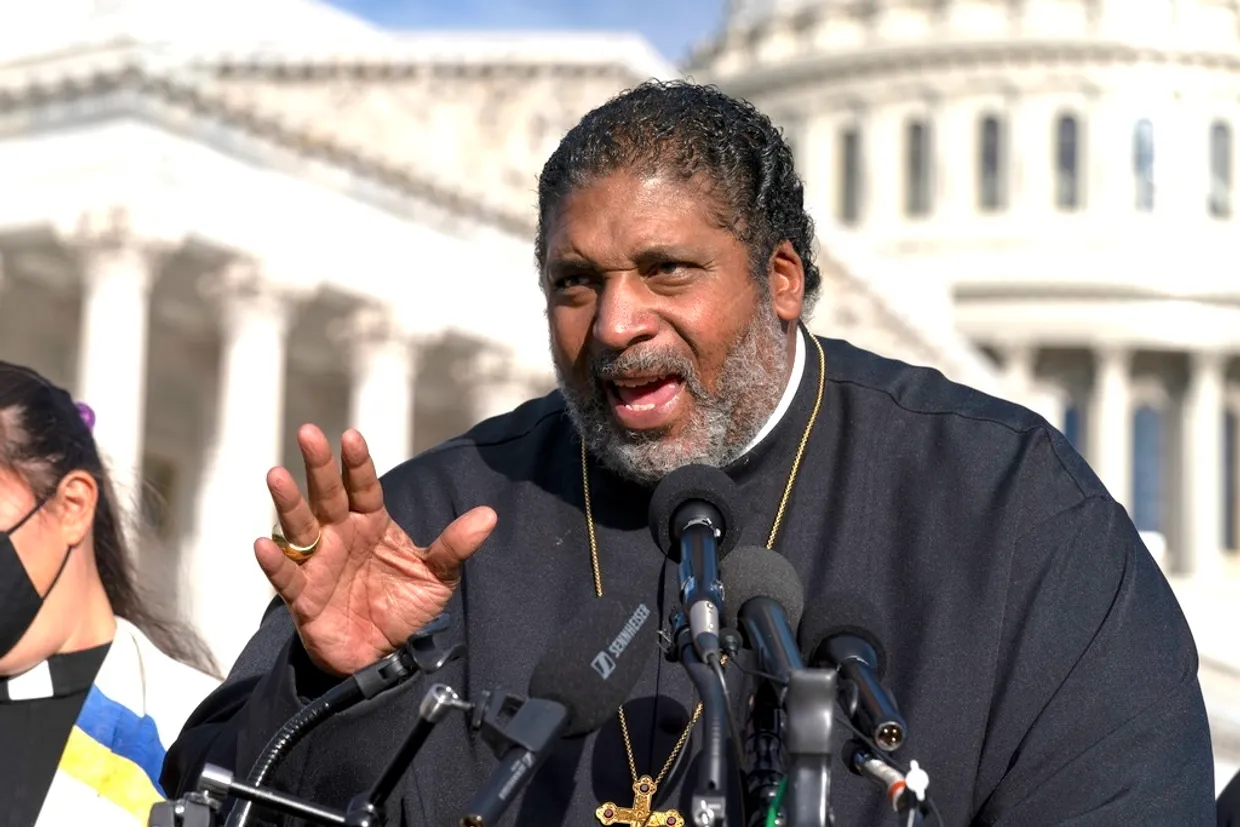
The demonstration, titled “SOS — Standing With Our Haitian Siblings,” brought Bishop William J. Barber II and other advocates to Maryland’s Eastern Shore.
According to Word In Black, which first reported the plans, the day’s program was scheduled to begin at 1 p.m. and to include a prayer gathering, a press conference and the march. Organizers, Word In Black reported, are calling for an end to the attacks, arrests and deportations affecting Haitian immigrants after the federal government ended TPS for Haiti.

Salisbury was a pointed choice.
The city and its surrounding metro area are home to a fast-growing Haitian community of roughly 2,000 people, one that took root as Haitian workers found jobs in the region’s poultry-processing plants, including Perdue, Tyson and Mountaire, according to community histories of the area. That community is now living under acute strain. The Trump administration’s move to end TPS for Haiti stripped protection from about 350,000 Haitians nationwide, including an estimated 20,000 on Maryland’s Eastern Shore, and, as The Associated Press has reported, the fear of deportation has emptied pews at some Salisbury churches and kept families indoors, with some skipping work and pulling children from school.
For Barber, the Salisbury march is one leg of a much greater effort. The Yale theologian, who founded and leads the nonprofit Repairers of the Breach and built the Moral Mondays movement, has spent recent weeks leading protests, prayer vigils and acts of civil disobedience in Washington, several of which ended in arrests. Now, he says, the movement is turning from the capital to communities and, ultimately, to the ballot box. Announcing a national voter-mobilization tour in a sermon titled “It’s Time to Wake Up” at Atlanta’s historic Big Bethel AME Church over the weekend, Barber told the congregation the moment called for a different kind of marching. “We don’t need to march on Washington right now,” he said, according to Word In Black. “All of our money, energy, and effort needs to be marching, walking, running, and riding to the polls.”
That tour, branded “100 Days; 1,000 Marches to the Polls,” aims to turn out infrequent voters ahead of the Nov. 3 midterm elections. Barber’s stated goal, Word In Black reported, is to mobilize 5 million poor and low-income voters, including at least 1 million Black men, through peer-to-peer texting, phone banking, neighborhood canvassing and marches timed to the first day of early voting in each state. More than 40 organizations have joined the campaign, and more than 200 local groups have announced plans to hold marches, according to Repairers of the Breach. “In the last election, 90 million people didn’t vote while the majority in Congress was decided by just 7,000 votes,” Barber said in the Atlanta sermon, as reported by Word In Black, arguing that the answer to voter suppression is mass mobilization. The marches, he added, need not be large to matter — even “getting five or 10 neighbors walking together,” he said, counts.
Barber has framed the defense of Haitian immigrants and the fight for voting rights as parts of the same cause, both turning on whether the country will recognize the rights and dignity of people pushed to the margins. That linkage is what carried his movement to Salisbury, where the immigration crackdown has been felt directly.
The march comes amid an intensifying federal enforcement campaign across Maryland. Haiti’s TPS termination took full effect on July 27, and the government has since resumed deportation flights, landing more than 160 Haitians in Cap-Haïtien last week on the first such flight since the protections ended.
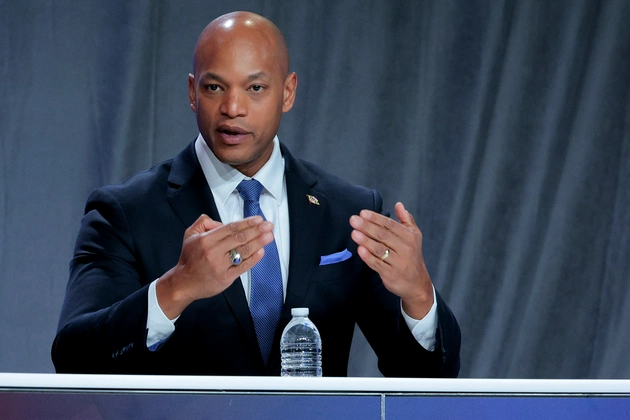
Earlier this month, U.S. Immigration and Customs Enforcement carried out a two-week operation across Maryland and Virginia, “Operation Safe Community — Washington, D.C.,” that the Department of Homeland Security said resulted in 1,328 arrests; the sweep drew concern from Maryland Governor Wes Moore, who noted that only a fraction of those arrested had criminal records. On the Eastern Shore, community leaders have reported arrests near workplaces and homes, deepening the fear that organizers say the Salisbury gathering was meant to answer.

The federal government has defended its actions. DHS has said it ended TPS for Haiti after determining the designation was no longer warranted, urged those who lost status to depart on their own, and cast its enforcement operations as targeting people in the country without legal status, including those with criminal histories. Immigrant advocates counter that the people being swept up are overwhelmingly workers and parents with no criminal record, and that returning Haitians to their homeland sends them into grave danger. The U.S. State Department continues to warn Americans not to travel to Haiti, citing kidnapping and gang violence, even as it deports Haitians there.
https://ctninfo.com/?p=44380&preview=true

This article was originally written in English. Other language versions are produced using AI translation software, and errors are possible — the English version is authoritative. CTN also uses AI to convert text into audio.